
The Scale and the Schedule
The DPE — Diagnostic de Performance Énergétique, France's energy performance certificate — rates a property on a scale running from A to G. A is near-zero consumption; G marks the most energy-hungry buildings. Between them, the ratings divide on two axes: primary energy consumption in kilowatt-hours per square metre per year, and estimated greenhouse gas emissions in kilograms of CO₂ equivalent. A property must satisfy both thresholds to hold a given rating; the worst performing band on either axis determines the final letter.
The letting bans follow a fixed timetable. From 1 January 2025, a property rated G cannot legally be offered as a new meublé de tourisme — a furnished tourist let — in France. The F-rated ban follows on 1 January 2028. E-rated properties face a further deadline in 2034, though that remains the subject of ongoing legislative discussion. The timetable applies to new lets and to renewals; existing contracts already in force before the deadline are treated differently under the transitional provisions.
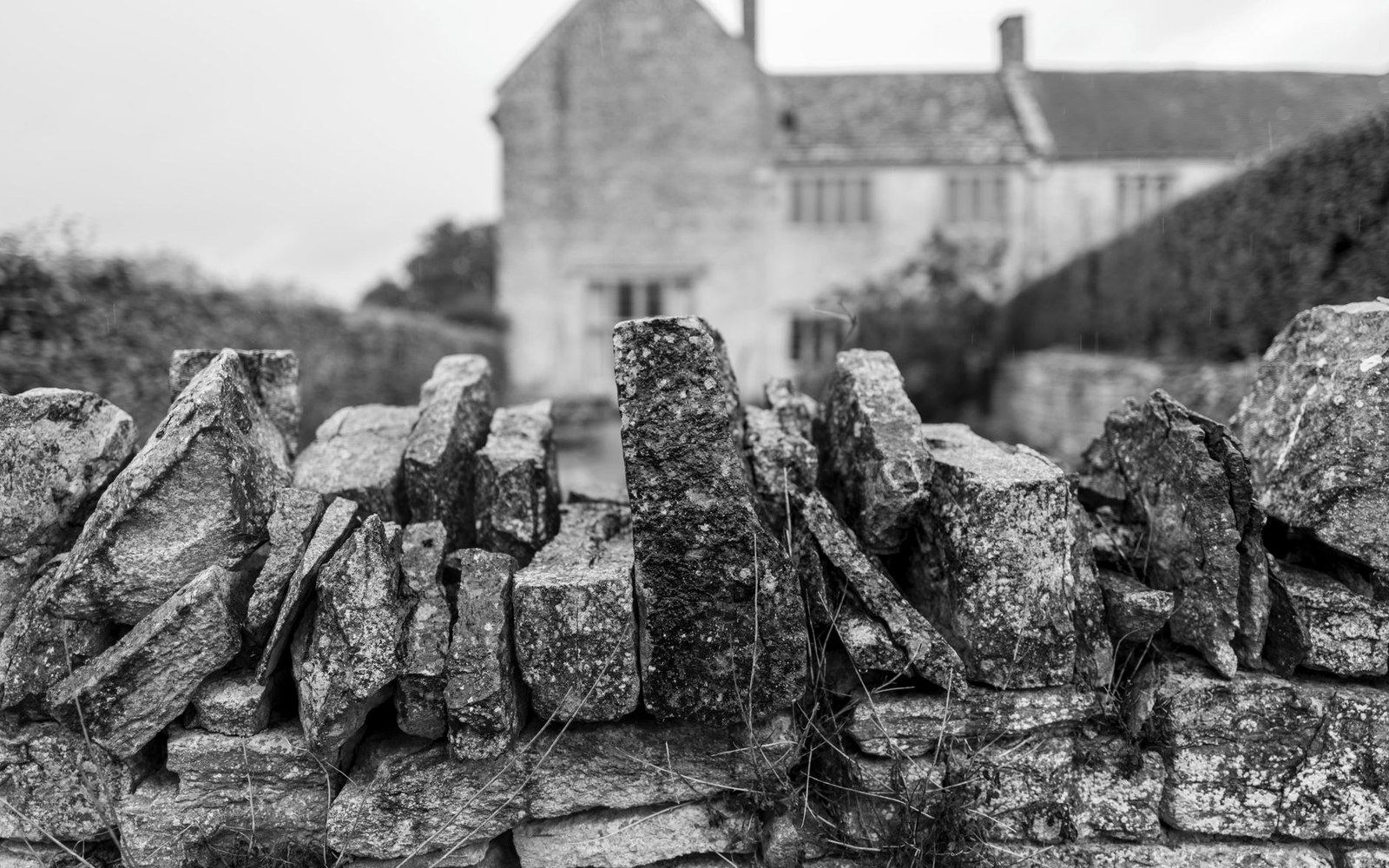
No mortar. The wall stands on friction and on the batter of its two skins.
Photo: Bob Jenkin / Pexels
Why Stone Scores Poorly
The physics of the DPE methodology sit awkwardly against the material realities of rural French construction. The certificate measures steady-state thermal resistance — how well a wall prevents heat from passing through it — expressed as an R-value. A solid granite wall 60 centimetres thick has a low R-value by this calculation: granite conducts heat. The methodology gives limited credit to thermal mass, the capacity of dense stone to absorb heat during the day and release it slowly at night, which is the actual mechanism that kept Provençal mas and Breton longères habitable for centuries without mechanical heating.
The result is that a well-built stone farmhouse — thick walls, small windows, orientation chosen against prevailing wind — will often produce a DPE reading of F or G regardless of how the building actually behaves across the seasons. Research by the BRGM on French geological materials confirms that calcareous and granitic building stones have thermal conductivities that the current DPE calculation treats as liabilities. A tuffeau wall in the Loire, a lauze-roofed barn in the Causses, a colombage frame in Alsace with its original lime infill: all attract low ratings for the same structural reason — their resistance values fall short of the thresholds the algorithm was calibrated against modern cavity-wall and insulated-frame construction.
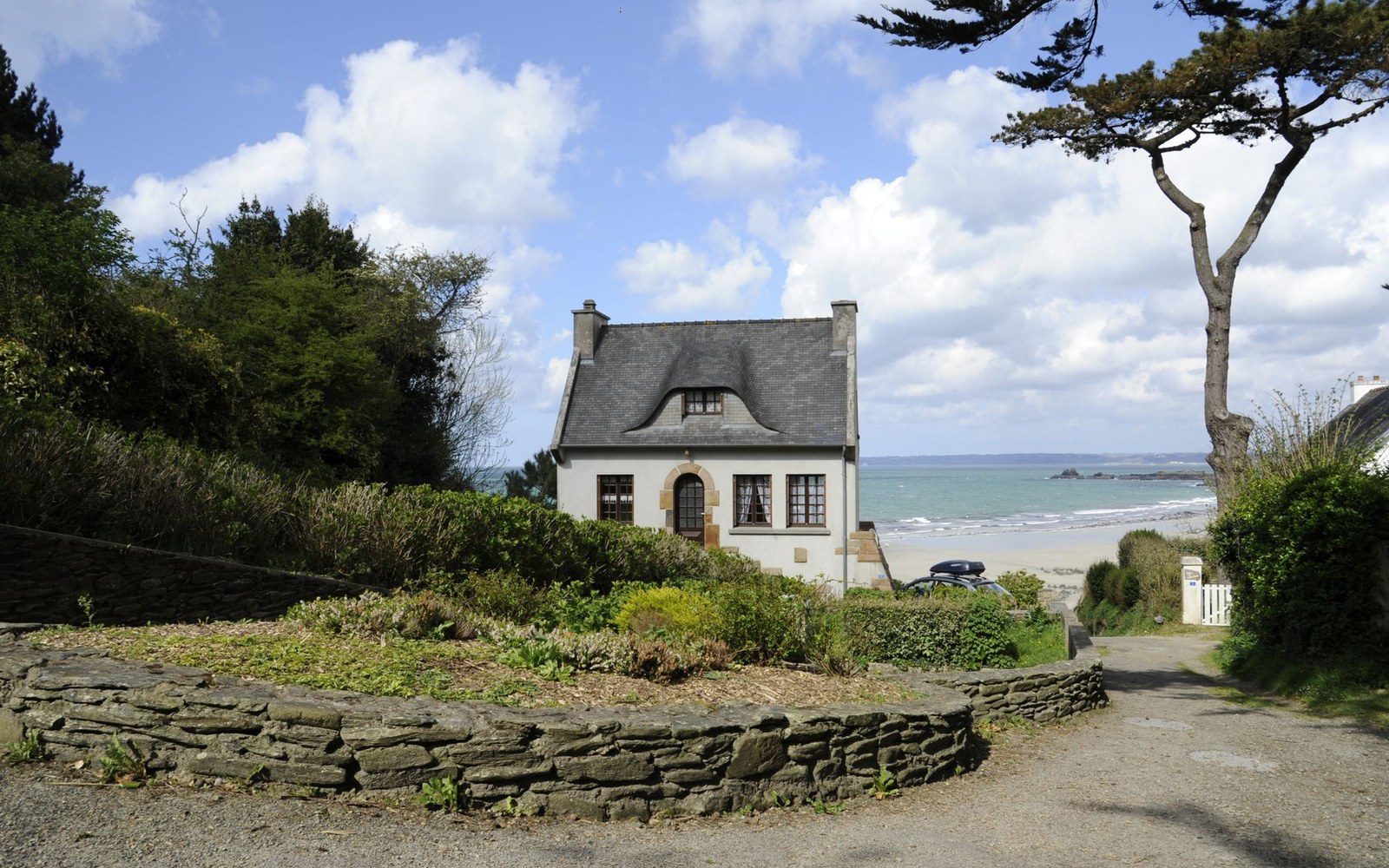
Forty thousand affiliated lets against a platform inventory some twenty times the size.
Photo: Thierry coulon / Pexels
Moisture adds a second complication. Stone walls built with lime mortar are vapour-permeable; they breathe. The DPE assessor measures the building as presented, and a stone wall behind cement render — render that traps moisture rather than allowing it to migrate — may record worse thermal performance than a correctly maintained lime-plastered equivalent. The assessor's visit is a snapshot, not a seasonal audit.
What Owners Face
A G rating in 2025 does not require demolition or radical rebuilding. It does mean the property cannot be let as a meublé de tourisme under a new arrangement until it is re-rated at E or above. Interventions that move the needle include secondary glazing, insulation of suspended timber floors, roof insulation where the loft is accessible, and — carefully — internal wall insulation on appropriately prepared surfaces. Each carries its own risks to the building fabric, and works within a protected zone require prior approval from the Architectes des Bâtiments de France.
The 2025 deadline is already in force. Owners who have not commissioned a DPE on a rural letting property — or who hold a pre-2021 certificate issued under the earlier, less rigorous methodology — should note that certificates issued before July 2021 are no longer valid for letting purposes. A new assessment under the current calculation rules is the only document that counts.