Buildings
Nine named building types — the longère, the mas, the bastide, the colombage frame and the rest — read as construction first, then as an energy problem.
6 pieces in this section
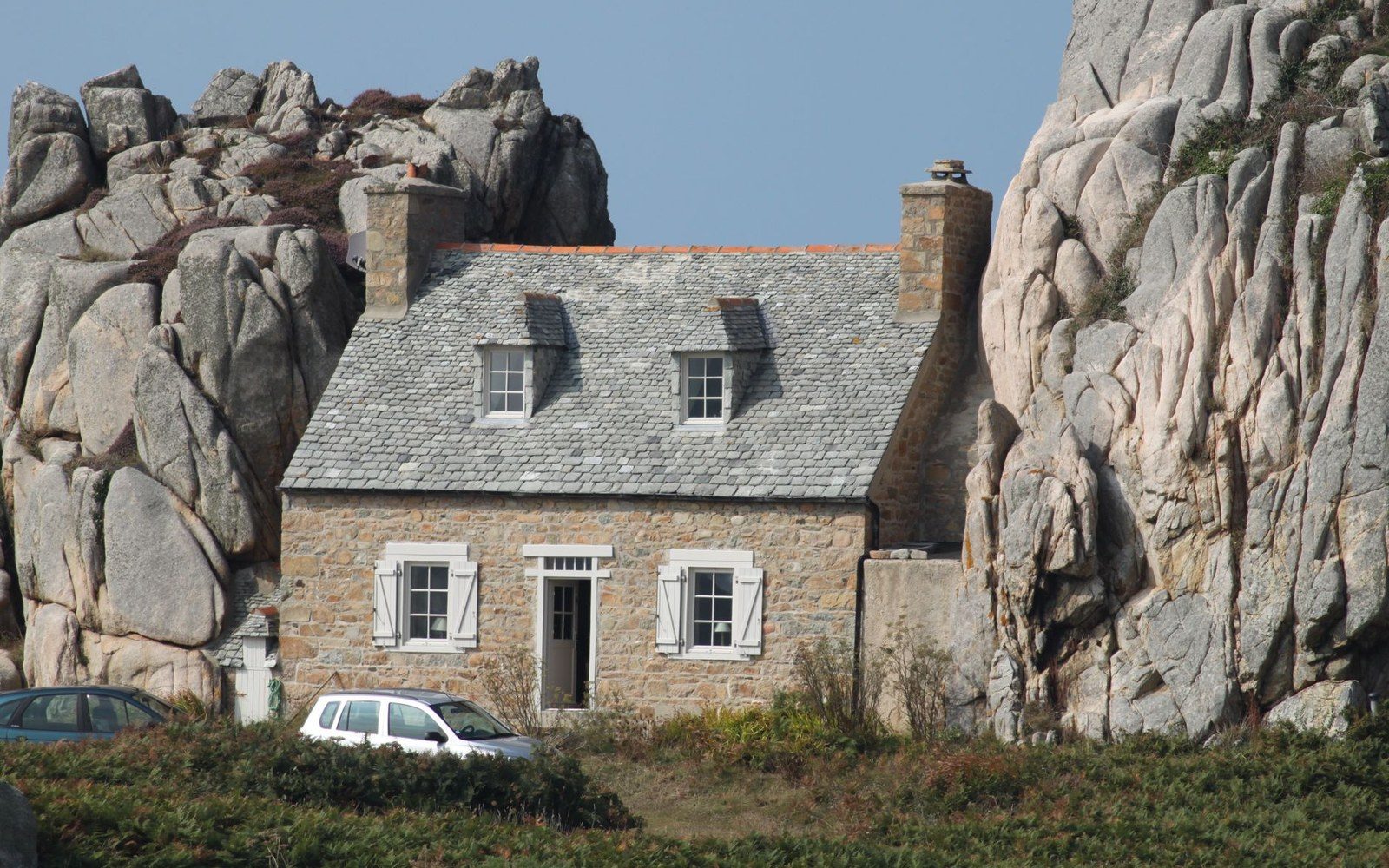
The blind north gable: a longère was lengthened along its ridge, never outward.
Photo: lemapuche breton / Pexels
-
Nine Building Types, and the Ground Each One Came Out Of
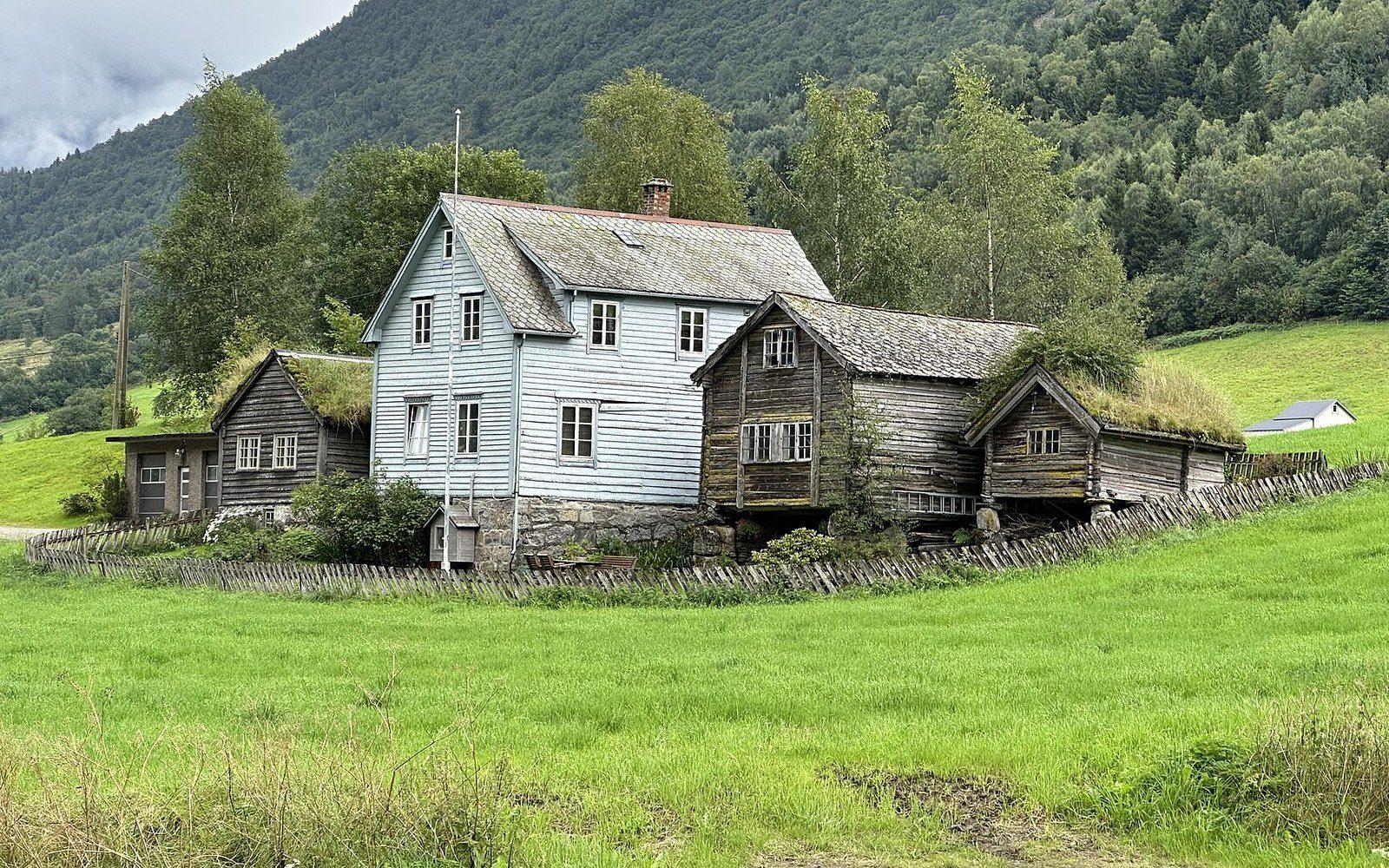
A comparative survey of the nine principal named rural building forms — longère, penty, mas, bastide, borie, maison de maître, pigeonnier, colombage frame, Basque etxe — set against the region and geology that produced each.
Buildings -
The Longère Runs Along the Ridge; the Penty Sits at Its End
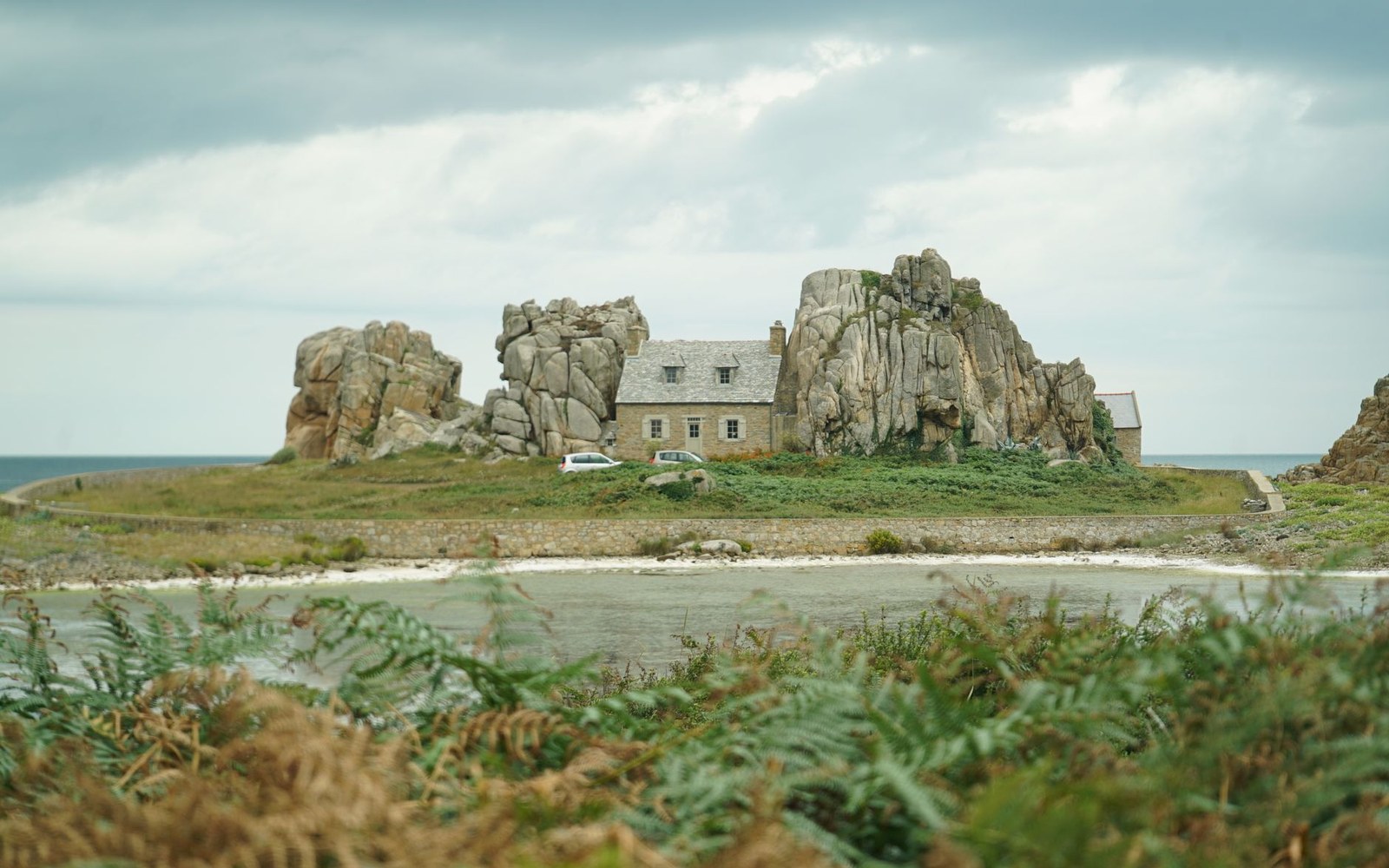
Reads the Breton longère and the smaller penty as a single constructional system — granite end walls, exposed roof timbers, the logic of the single-pitch plan.
Buildings -
The Mas Turns Its Back on the Mistral; the Bastide Faces the Square
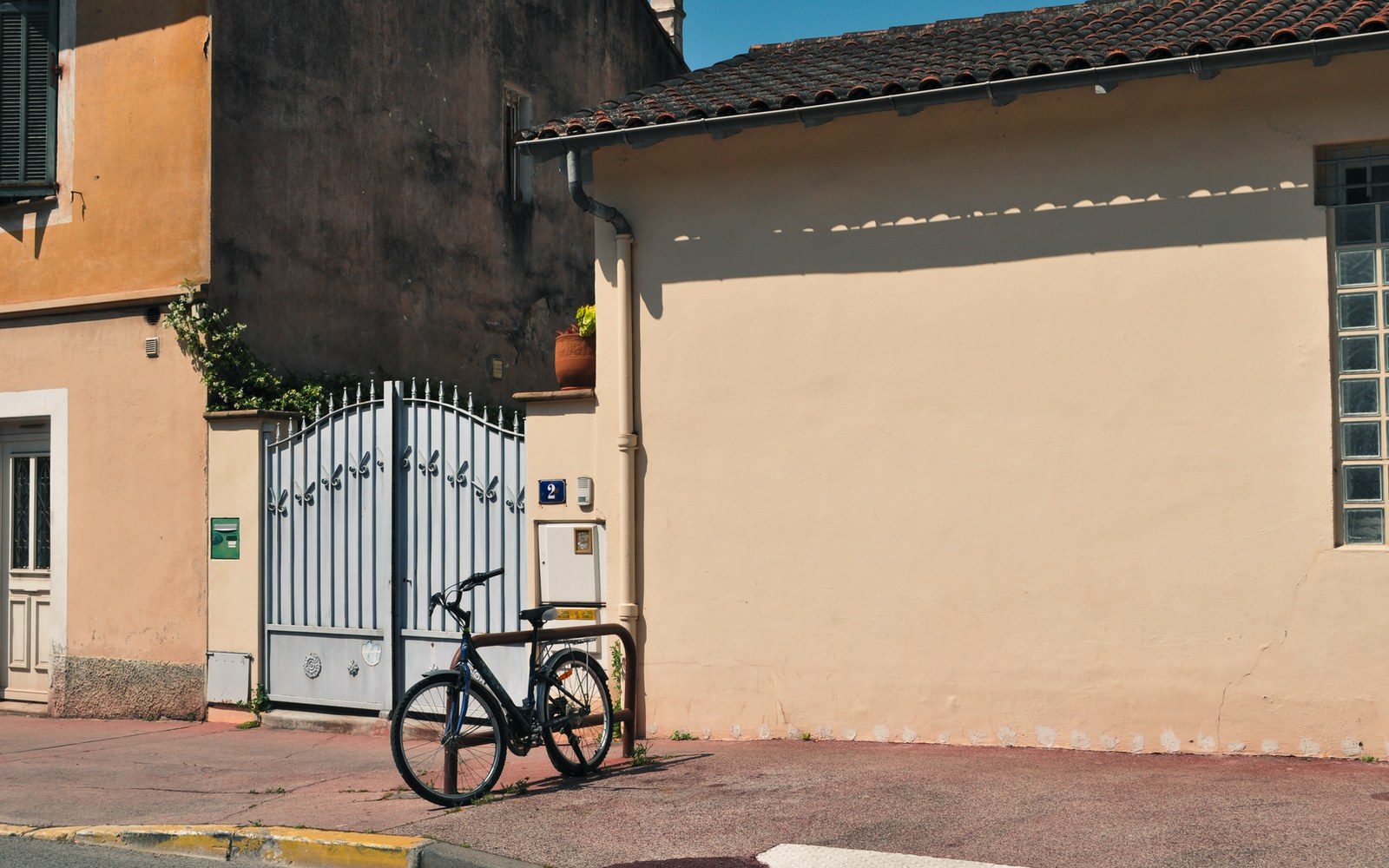
Contrasts the Provençal mas (a working farm turned inward against the north wind) with the bastide (a planned market town's stone house, outward-facing and regular).
Buildings -
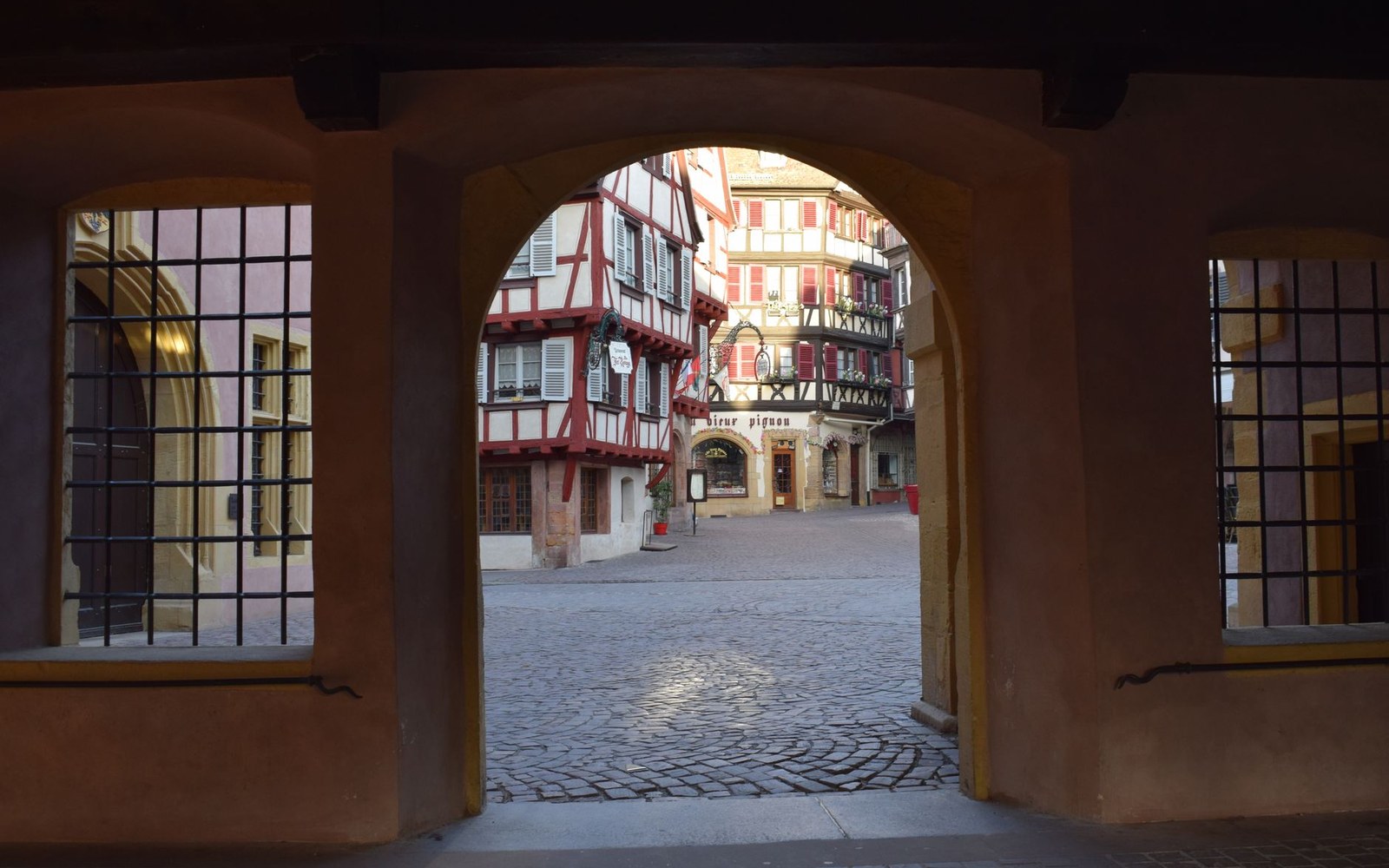
The Alsatian Colombage Frame in Raking Light
Describes the half-timbered colombage construction of Alsace — the timber frame, the infill materials, the painted decoration — and why the Architectes des Bâtiments de France regulate what owners can change.
Buildings -
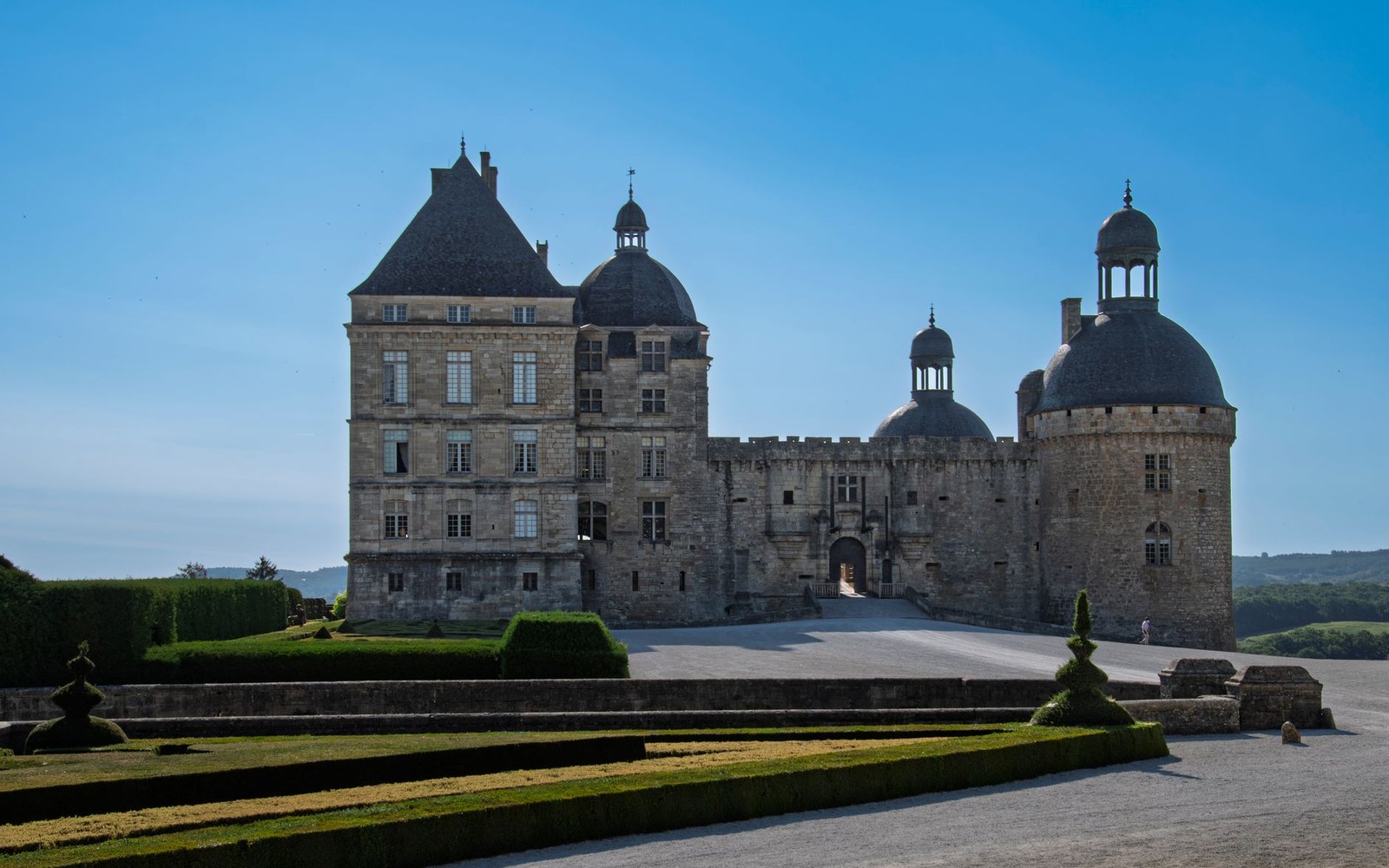
The Maison de Maître Is Symmetrical on Purpose; the Pigeonnier Says It Louder
Covers the formal farmhouse of the southwest — its symmetrical façade, the hierarchy of rooms — alongside the pigeon tower that typically stood near it, which was a statement of seigneurial right before it was a building.
Buildings -
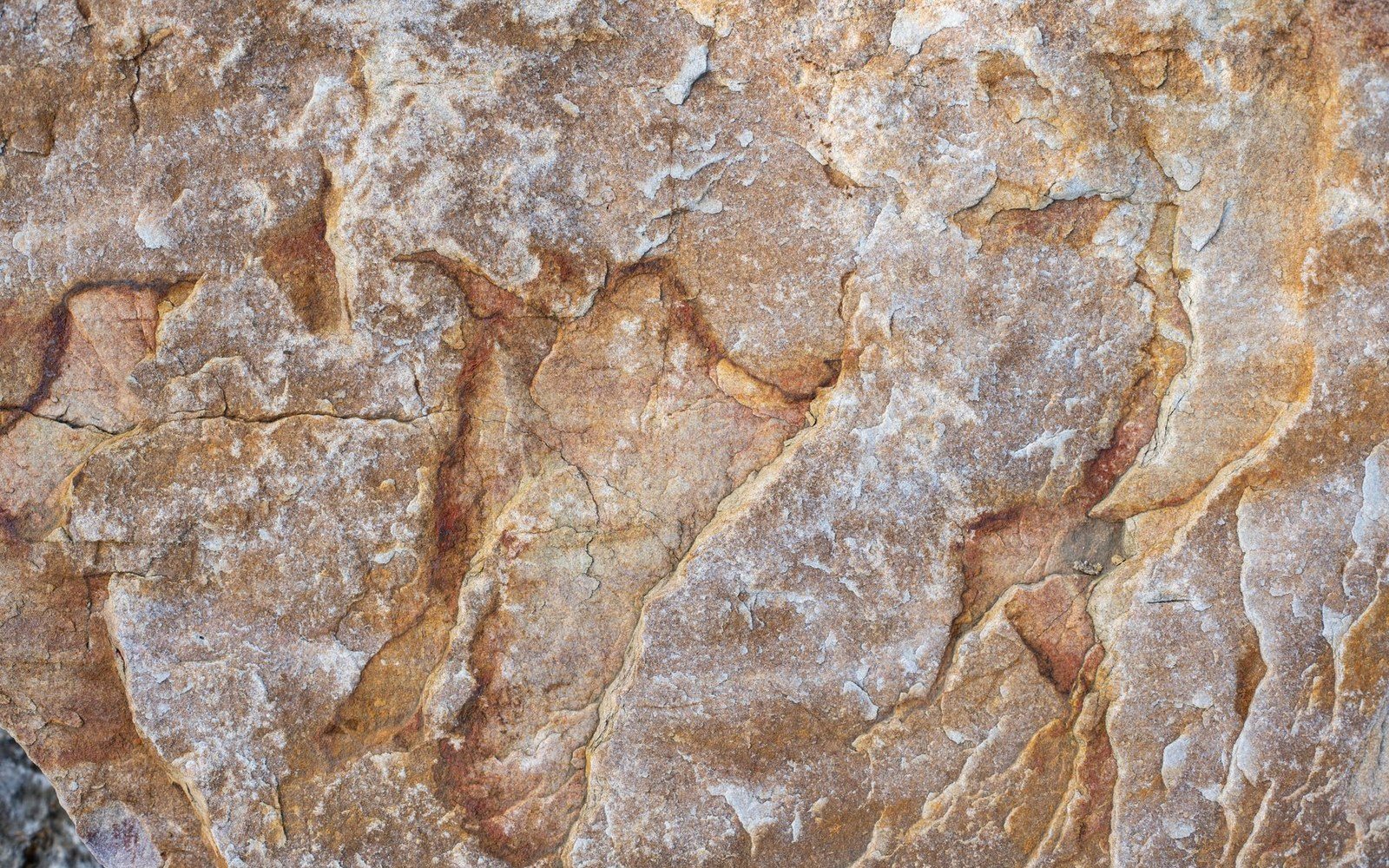
What a Stone Wall Does to an Energy Certificate
A technical argument: solid stone has low thermal resistance by the DPE's calculation method, which means a well-built 18th-century farmhouse can score G without a single draughty window.
Buildings