Two Buildings, One Hierarchy
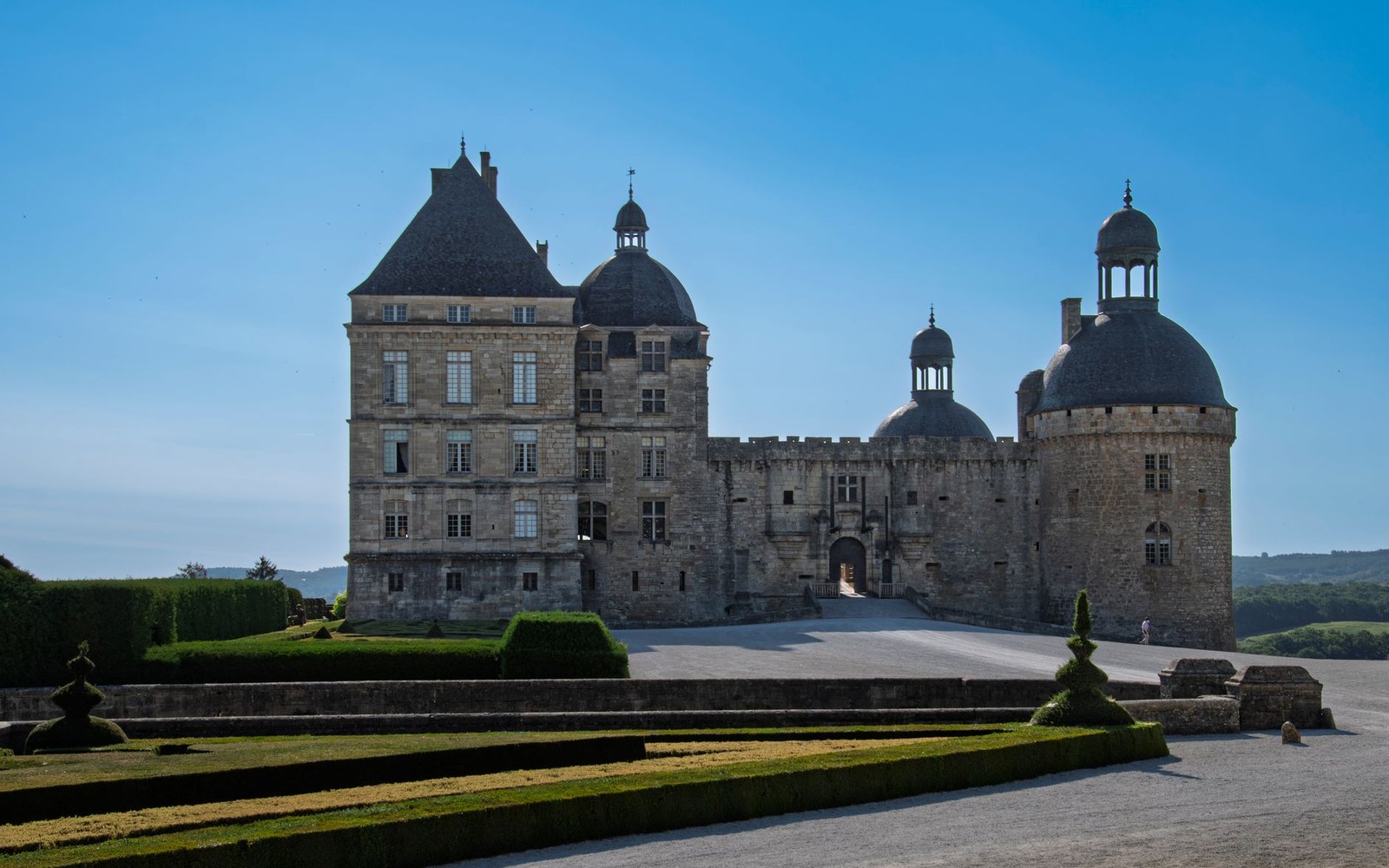
The maison de maître — literally a master's house, though the term carries no English equivalent that lands quite right — is the formal farmhouse of the French southwest, concentrated in the Dordogne, the Périgord and the broader Garonne basin. Its defining characteristic is a rigorously symmetrical façade: a central door flanked by an equal number of windows on each side, the roofline unbroken, the proportions borrowed from urban hôtel particulier architecture and planted in agricultural land. That symmetry was never accidental. It signalled a proprietor who understood order, who had means, and who wished the fact to be legible from the lane.
Inside, the hierarchy continues: a central hallway divides the plan, reception rooms on one side, service rooms on the other, principal bedrooms directly above. Stone construction throughout — limestone rubble or cut ashlar depending on local geology as mapped by BRGM — means these buildings retain thermal mass but tend to rate poorly under the modern DPE (Diagnostic de Performance Énergétique), a pattern familiar across solid-wall rural stock.
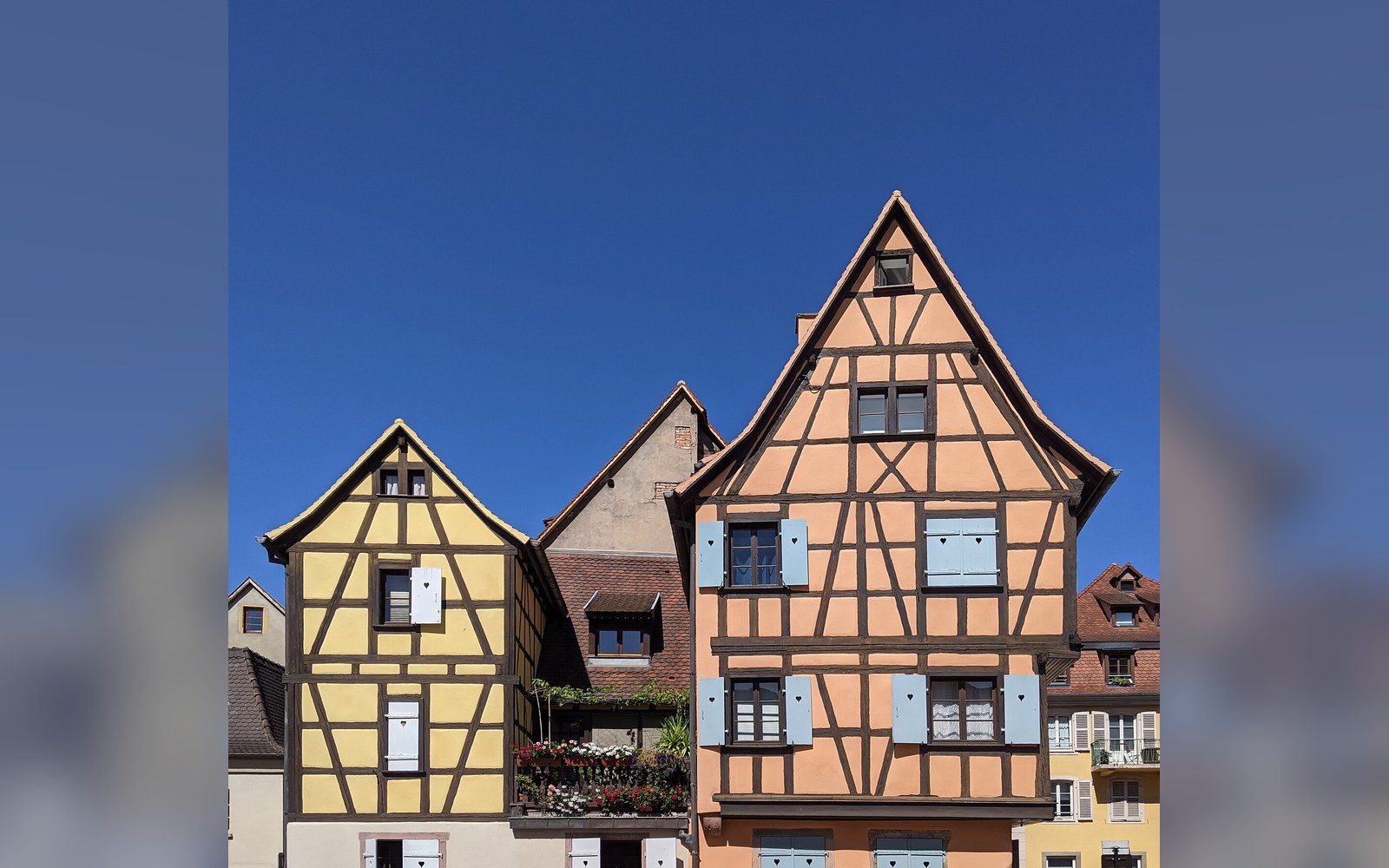
The bracing pattern is the plan of the house, read from the street. Few openings north: the mas is organised against the mistral before anything else.
Photo: Maisons à colombages (1) · Wikimedia Commons · Photo: Sophie Kat / Pexels
The pigeonnier — a freestanding pigeon tower, round or square, sometimes raised on stone stilts called piliers to exclude rats — is the sharper statement. Before 1789, the right to keep pigeons (droit de colombier) was a seigneurial privilege, legally reserved for lords holding sufficient land. A pigeonnier advertised feudal standing as plainly as a coat of arms. After the Revolution stripped the privilege away, the towers remained: architectural evidence of a right that had been abolished. Many are now listed on the Monuments Historiques register, which records them alongside the maisons de maître they once flanked.
Both building types appear frequently in the rural letting market; both carry the conservation obligations that Monuments Historiques listing and proximity to listed structures impose through the Architectes des Bâtiments de France.