The number the wall produces, and why it is lower than the wall deserves
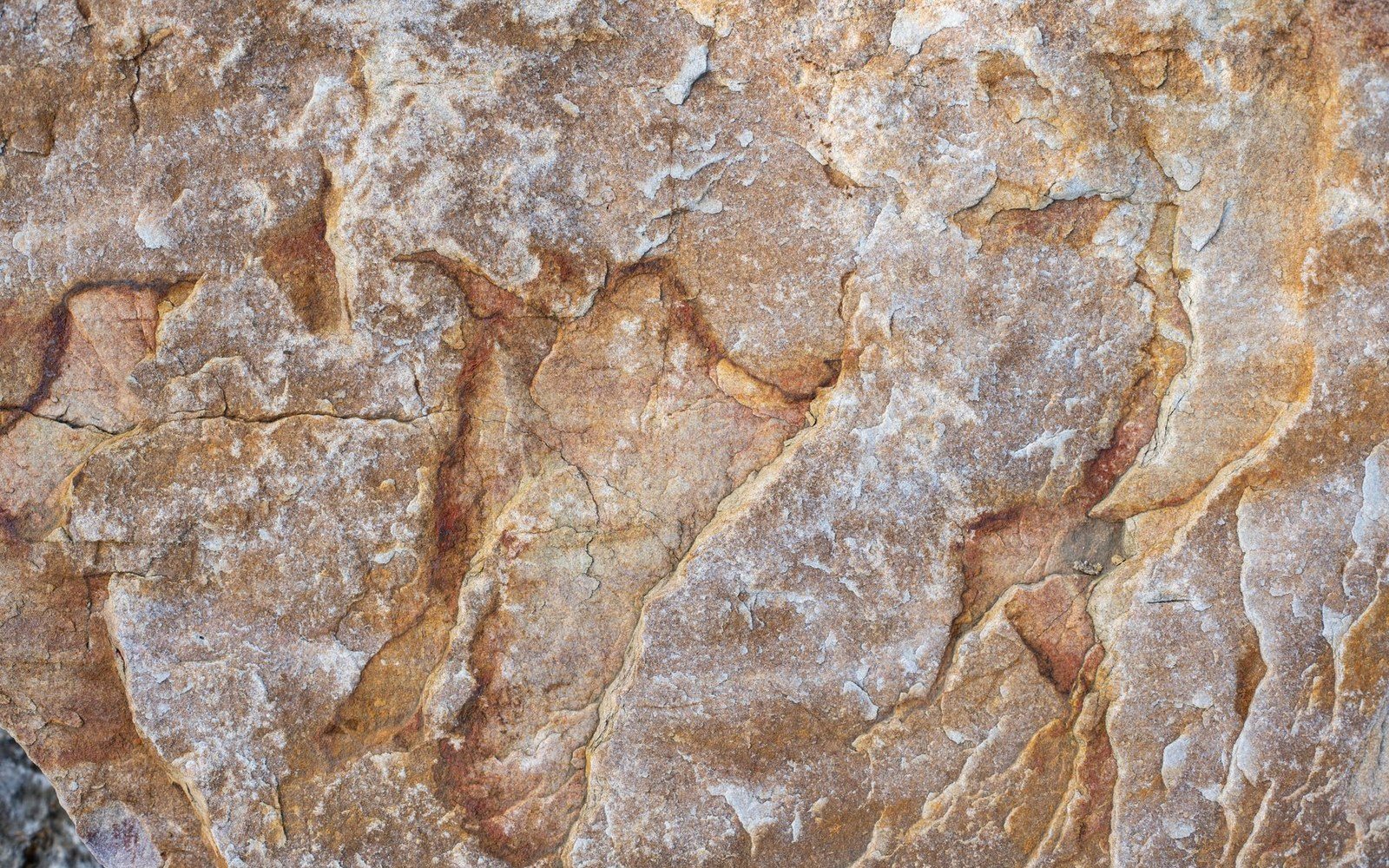
A solid granite wall half a metre thick keeps a room cool in July and radiably warm in November. It does this through thermal mass — the ability to absorb heat slowly during the day and release it at night, levelling out the swings that lightweight construction cannot. That behaviour is real, measurable and valued by the people who live inside the wall. The DPE (Diagnostic de Performance Énergétique), the French energy performance certificate that now determines whether a property can legally be let to tourists, does not measure it.
What the DPE measures instead is thermal resistance — the R-value — expressed through its inverse, the U-value: the rate at which heat passes through a given thickness of material under steady-state conditions. Granite has a thermal conductivity of roughly 2.8–3.5 W/m·K, which means heat moves through it readily. A 50-centimetre granite wall produces a U-value in the region of 5–7 W/m²·K. A modern insulated cavity wall typically reaches 0.3. The DPE's calculation method, standardised under French regulation and administered by accredited diagnosticians, reads that difference as the 18th-century wall being fifteen to twenty times less resistant than its contemporary equivalent. The rating that follows can be G — the lowest band — regardless of the building's orientation, its window area, or the quality of its lime-mortar jointing.
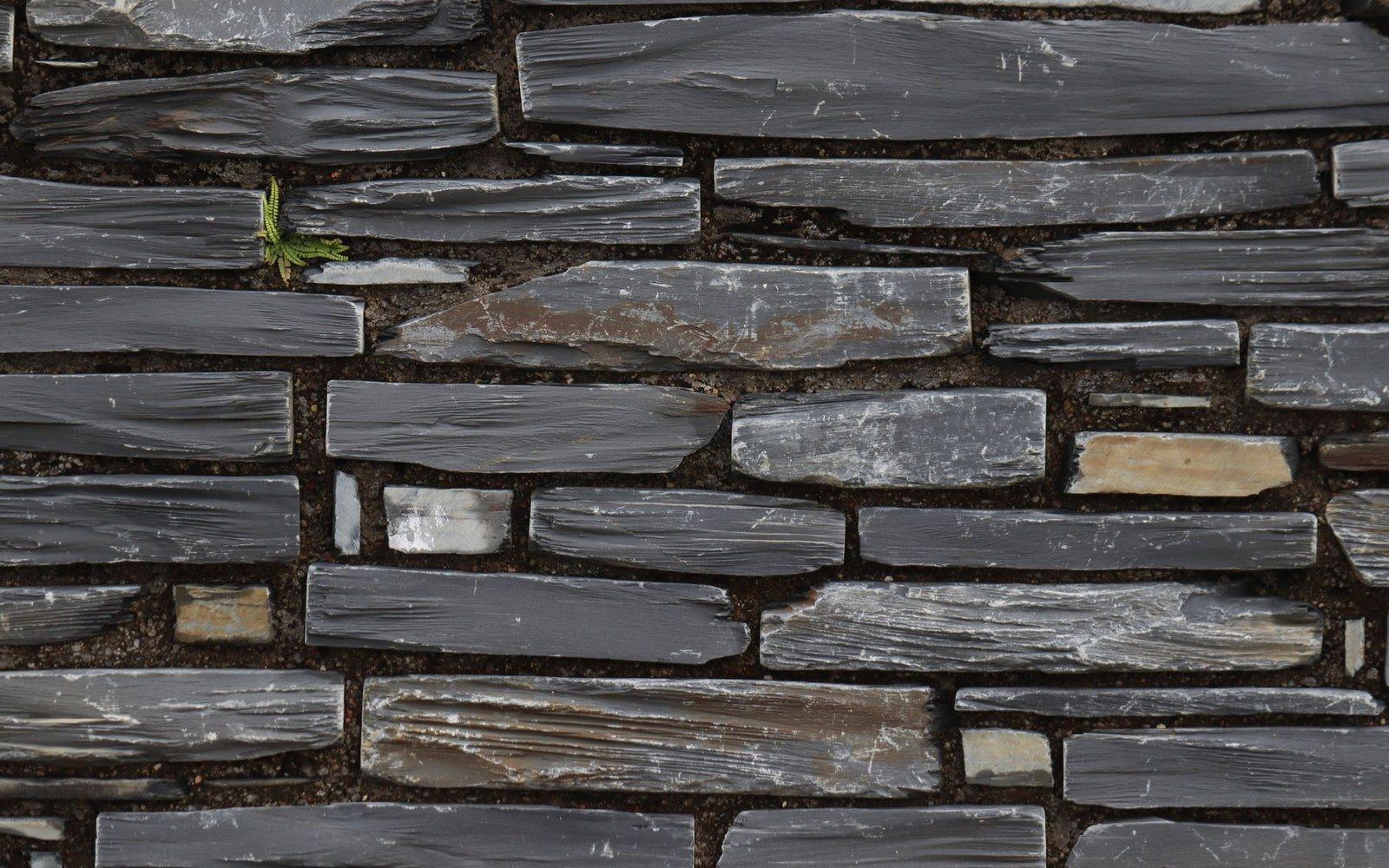
Diminishing courses on a Périgord lauze roof: the largest slabs at the eaves, the smallest at the ridge, each one held down by its own weight rather than a nail.
Photo: Boys in Bristol Photography / Pexels
The same logic applies to lauze roofing, to the creamy tuffeau of the Loire châteaux and to the metre-thick rubble-and-lime construction of a Cantal farmhouse. Stone is dense, stone is conductive, and the DPE's steady-state model was designed around materials with stable, published conductivity figures. It does not accommodate dynamic thermal behaviour, and it does not award credit for the fact that a well-oriented mas in Provence needs no heating on most October nights because the walls have been releasing stored warmth since three in the afternoon.
The policy consequence is direct. Under the loi Le Meur of late 2024, a property newly let as a meublé de tourisme — a furnished short-term tourist let — must from 2025 hold a DPE rating of E or better, and by 2034 a rating of D or better. An accurately-surveyed stone farmhouse with no insulation, no double glazing and wood-burning heating may well sit in both categories. The certificate is not wrong about what it measures; it is measuring the wrong thing, or at least an incomplete one.
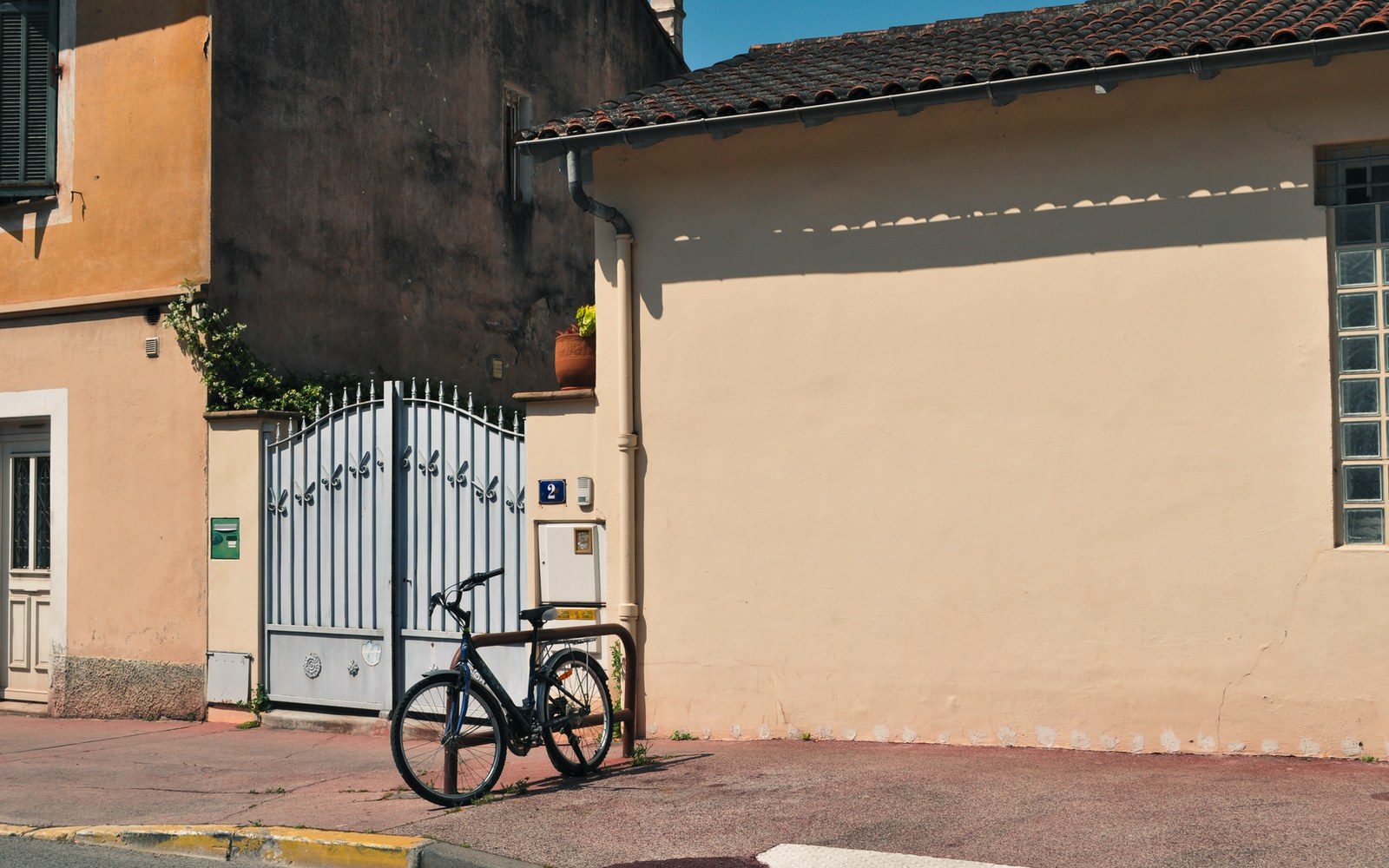
Few openings north: the mas is organised against the mistral before anything else.
Photo: Sophie Kat / Pexels
The diagnostician who visits the property works from a standardised calculation engine — the Méthode 3CL (Calcul de la Consommation Conventionnelle des Logements), maintained by the French government's technical services — which uses conventional occupancy patterns, heating schedules and climate zone data rather than observed consumption. Two identical stone shells with different owners may have very different annual fuel bills; the certificate gives them identical ratings because it models a standardised household, not an actual one. Research into the gap between modelled and measured energy use in European building stocks has documented this divergence consistently, and stone buildings of traditional construction appear at the problematic end of the distribution.
There is a further complication specific to renovation. Adding internal insulation to a lime-mortar stone wall improves the U-value calculation and can lift a certificate by one or two bands. It also changes how moisture moves through the wall, potentially trapping vapour against the cold face of the stone and accelerating decay in both the mortar and the masonry. The certificate records the energy gain; it does not record the material risk. The Monuments Historiques register, which lists tens of thousands of rural structures across France, explicitly prohibits interventions that would compromise historic fabric — a constraint that can make the insulation that would rescue a DPE rating physically and legally impossible to install.
The result is a category of building that is structurally sound, architecturally coherent, thermally sophisticated in ways the certificate does not capture, and legally unlettable if the rating lands in G. That gap between what the wall does and what the certificate says it does is where a great deal of rural French property now sits.