What the Law Is and Where It Came From
The loi Le Meur — formally the loi visant à remédier aux déséquilibres du marché locatif, promulgated in November 2024 — was carried through the Assemblée nationale by Annaïg Le Meur, a Breton deputy who had spent two years documenting the displacement of permanent residents by tourist accommodation in coastal communes. The law takes its cue from a structural complaint: that the French tax code had made furnished tourist letting more attractive, per euro of income, than long-term residential letting, distorting the rental market in pressure zones from Saint-Malo to Annecy and Biarritz.
What passed in November 2024 was not emergency legislation rushed through under urgency procedure. It was a deliberate statutory reform that moved on four tracks simultaneously — tax treatment, commune registration, quota powers, and energy performance — each of them requiring separate enabling instruments and, in some cases, phased implementation dates running well into 2028.


No mortar. The wall stands on friction and on the batter of its two skins. The génoise is the shelf that carries water clear of the wall face.
Photo: Bob Jenkin / Pexels · Photo: Mahmoud Zakariya / Pexels
The Four Tracks
The abattement cuts. The most immediately felt change is to the abattement (the flat-rate tax allowance applied to rental income before income tax is calculated). Before the law, a meublé de tourisme — a furnished property let for short stays to tourists — classified under the régime micro-BIC benefited from an abattement of fifty per cent; if the property held a formal classification rating, the allowance rose to seventy-one per cent. The loi Le Meur cut the standard rate to thirty per cent and the classified rate to fifty per cent, aligning furnished tourist letting much more closely with the treatment of unfurnished residential letting, which had long sat at thirty per cent. The Direction Générale des Finances Publiques confirmed the revised rates apply to income declared from the 2024 tax year. For owners who had structured their letting income around the higher allowances, the practical effect is a higher effective tax rate on the same gross income, with no transitional relief built into the text.
The registration number. The law gave communes the power to require any owner letting a property as a meublé de tourisme to obtain a registration number before the first listing goes live. This is not new in principle — a voluntary declaration system already existed — but the loi Le Meur made the number mandatory where the commune has chosen to activate the requirement, and it imposed an obligation on platforms such as Airbnb and Booking.com to verify that a valid number accompanies any listing they publish in those communes. The enforcement mechanism thus runs through the platforms rather than requiring the commune to police individual properties. Communes that have not activated the requirement are not obliged to do so; the power is permissive, not universal.
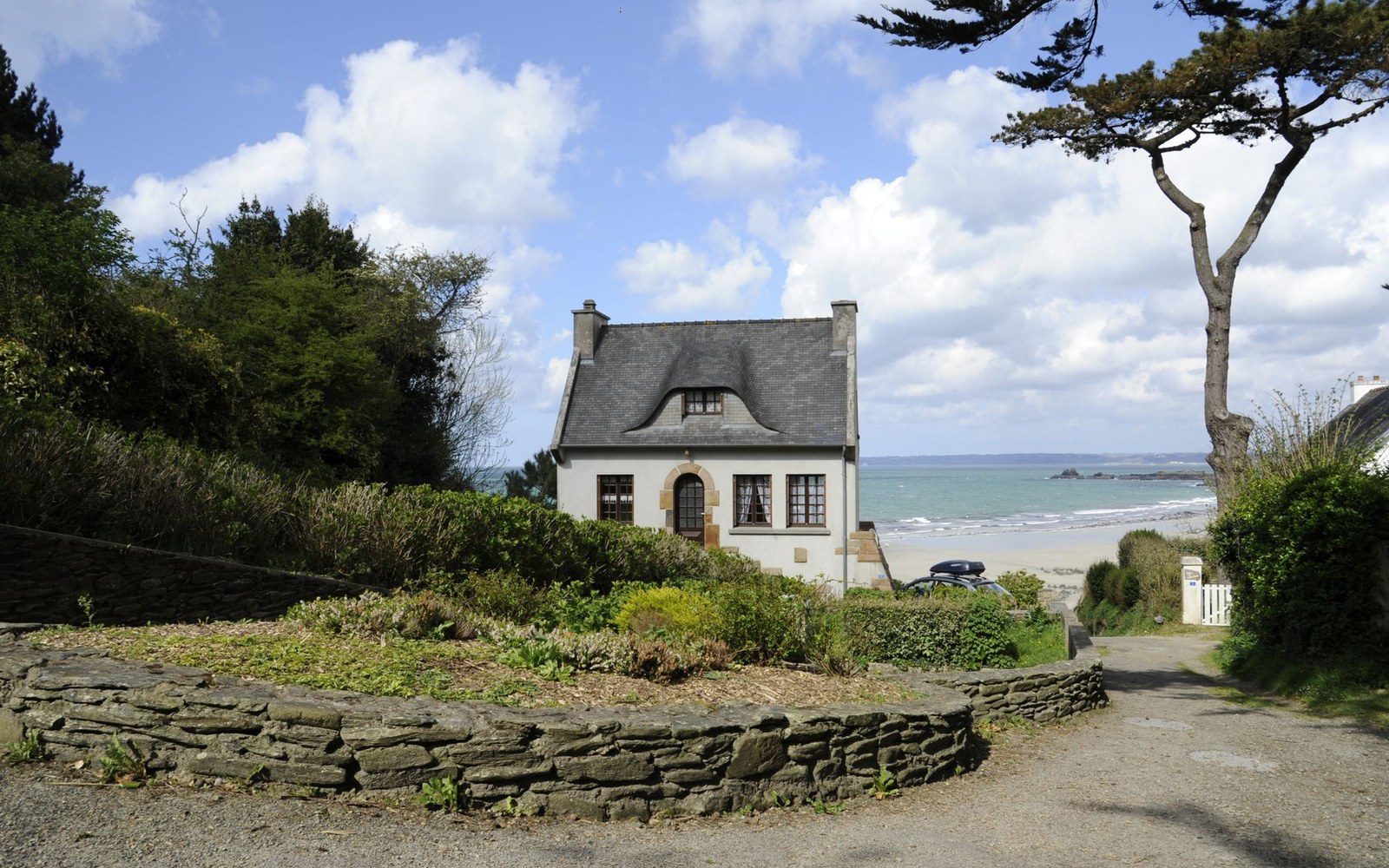
Forty thousand affiliated lets against a platform inventory some twenty times the size.
Photo: Thierry coulon / Pexels
Quota powers. Beyond the registration number, the law handed qualifying communes a second instrument: the power to cap the total number of nights a primary residence may be let per calendar year, and to set an absolute ceiling on the number of meublés de tourisme authorised in a given zone. The night-cap for primary residences, which had stood at one hundred and twenty nights in pressure-zone communes, can now be reduced by municipal resolution to ninety nights. The zonal quota power — which allows a commune to declare that no new short-term letting authorisations will be issued in a defined area once the ceiling is reached — is the sharper tool. It had been used experimentally in Paris under earlier housing legislation; the loi Le Meur extended a version of it to coastal, mountain and rural communes meeting defined tension criteria. Several communes moved quickly on both instruments in the months following promulgation.
The DPE letting bans. The law confirmed and codified the energy performance schedule that had been signalled in earlier texts. A DPE (Diagnostic de Performance Énergétique — the French energy performance certificate, rating a property from A to G) rating of G has triggered a letting prohibition for long-term residential tenancies; the loi Le Meur extended the prohibition timetable to meublés de tourisme. Properties rated G are banned from new short-term letting contracts from 2025; those rated F follow in 2028. The schedule was not invented by the loi Le Meur — it draws on the trajectory set by the loi Climat et Résilience of 2021 — but November 2024 is the point at which the obligation became unambiguously statutory for the tourist-letting sector. The implications are significant for the stone farmhouses that dominate the rural letting stock, since solid granite and limestone walls score poorly against the DPE's thermal resistance calculations regardless of how the building performs in practice.
What the Law Does Not Do
The loi Le Meur does not abolish meublé de tourisme letting. It does not impose a national quota or a uniform night cap. It does not retrospectively cancel existing letting authorisations. It does not require owners in rural low-tension communes — the Creuse, the Cantal, much of the Cévennes — to do anything they were not already required to do, because the registration and quota powers are activated locally, not centrally.
The law also does not resolve the DPE's methodological limitations for historic rural buildings. An assessor applying the standard DPE calculation to a mas in Provence or a longère in Brittany will produce a rating that reflects insulation values derived from material databases, not measured energy use. Gîtes de France and bodies representing rural property owners had lobbied during the parliamentary process for a specific rural or heritage carve-out; none appears in the enacted text.
Attribution and Timing
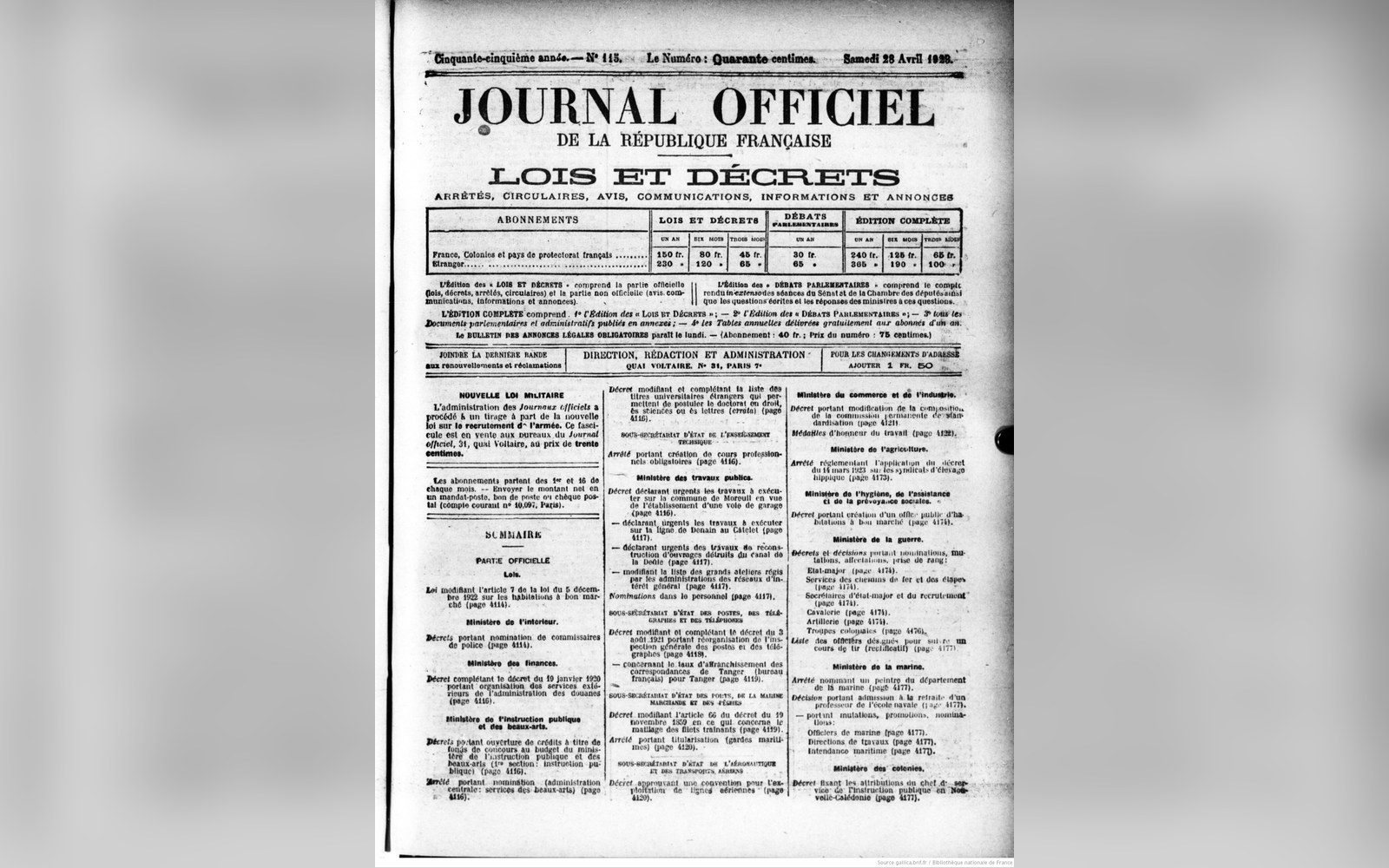
Every figure in the loi Le Meur's fiscal provisions — the thirty per cent and fifty per cent abattement rates, the ninety-night cap — appears in the statute as promulgated. The DPE bans for F-rated properties are set for 2028; the G-rated prohibition for new contracts is 2025. These dates are legislative, not administrative: they would require a further act of parliament to change, though secondary decrees can affect the implementing detail. Owners and researchers consulting the text should use the version published in the Journal officiel de la République française in November 2024, since earlier parliamentary drafts circulated in amended forms that do not reflect the enacted provisions.