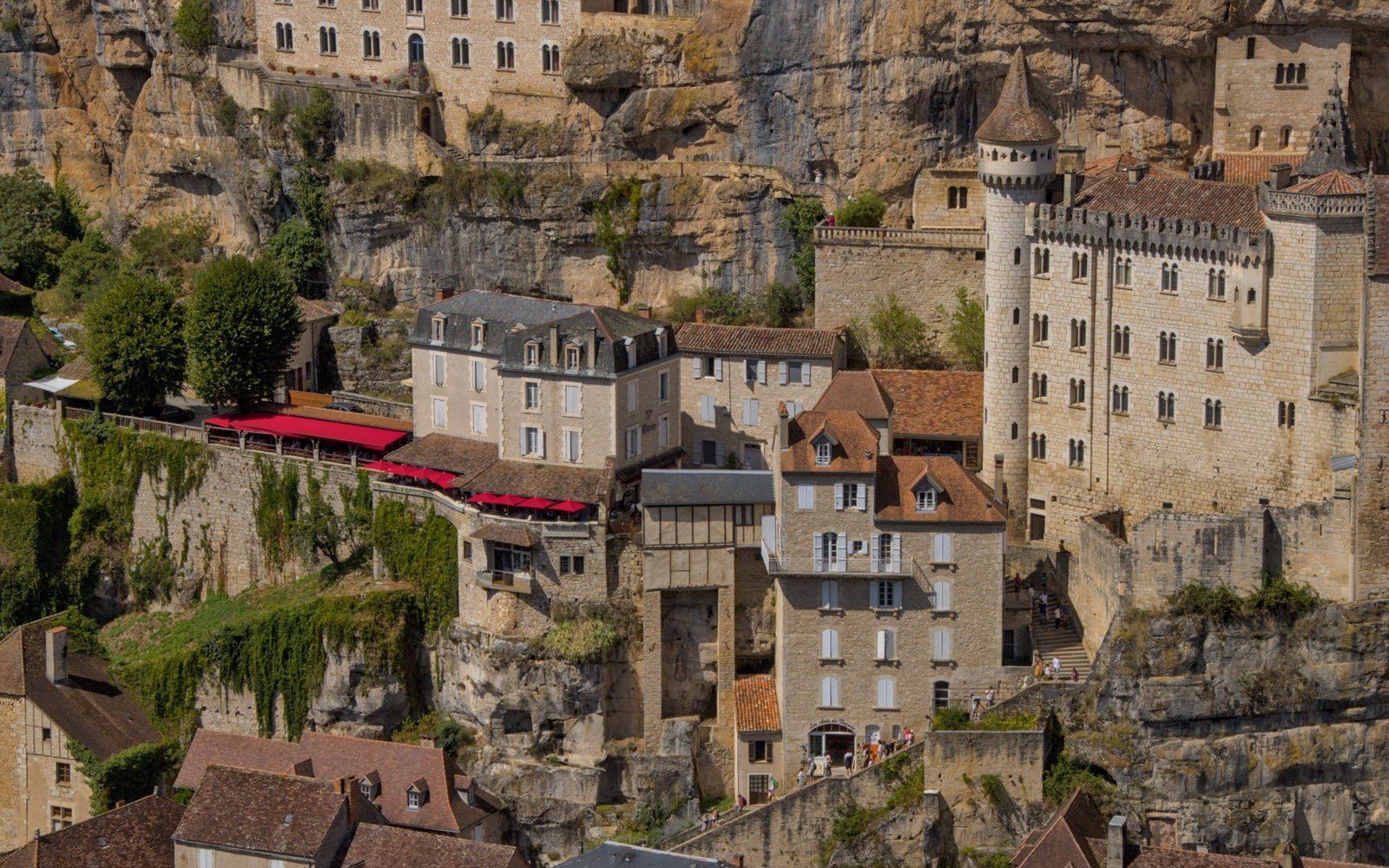
What the ABF controls and why
The Architectes des Bâtiments de France (ABF) are civil servants within the Ministry of Culture, each assigned to a department, whose statutory role is to assess any construction or modification work within protected perimeters around listed monuments. Two categories of perimeter apply. The first, the abords (surroundings), extends 500 metres from every classified or registered monument — a radius that, in a Dordogne village or a Breton market town, can blanket most of the historic core. The second is the site patrimonial remarquable (SPR), a designated heritage zone replacing the older secteur sauvegardé and zone de protection du patrimoine architectural, applied to towns and districts of particular historic coherence.
Within these perimeters, any work visible from a public road — or visible from the protected building itself — requires either the ABF's formal approval or a notice to which the ABF can object. For a building that also needs a planning permit, the ABF's opinion is binding: a negative avis conforme (binding opinion) stops the permit entirely. For minor works that need only a déclaration préalable (prior declaration), the ABF issues an opinion that the planning authority must follow.
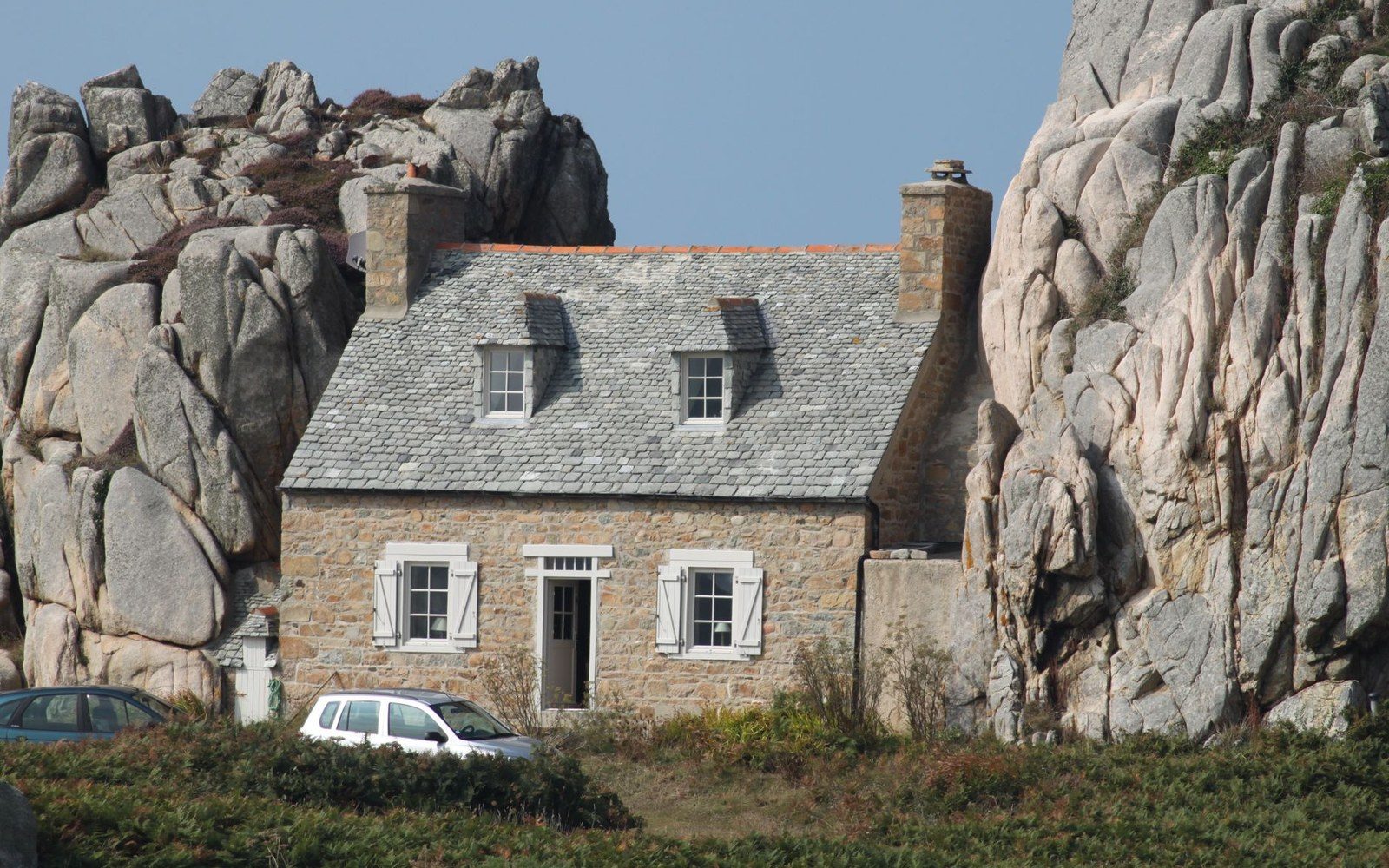
The blind north gable: a longère was lengthened along its ridge, never outward.
Photo: lemapuche breton / Pexels
What they refuse, and the logic behind it
The ABF's most consistent refusals follow a clear material logic: anything that reads as anachronistic from the outside. Satellite dishes on a street-facing elevation are refused in virtually all SPR zones. PVC window frames are refused wherever the original stock is timber — which, in Alsace, Normandy, the Loire Valley or Périgord, means almost everywhere. Velux-style flat roof lights may be refused in favour of traditional pitched tabatière skylights; external wall insulation cladding, which alters the profile of a wall and introduces alien materials, is refused in almost all cases where the wall is visible.
Colour is treated with equal rigour. In Alsace's colombage districts, render colours are mapped against approved local palettes. In the Cévennes, stone is expected to remain exposed or to be pointed in a matching lime mortar; coloured masonry paint is refused as a matter of course.
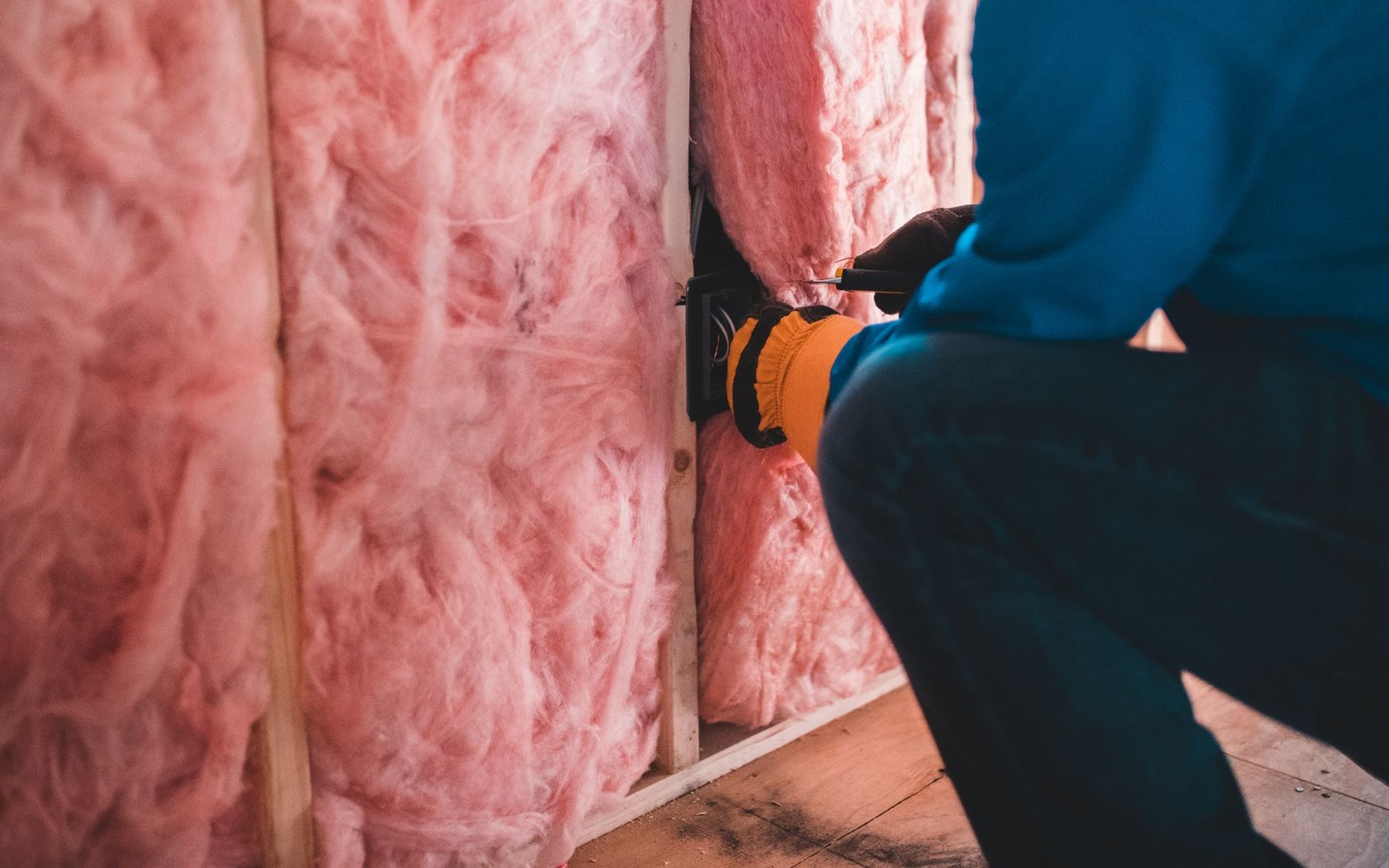
Insulating inside a stone wall trades thermal mass for a rating.
Photo: Erik Mclean / Pexels
These refusals rest on a genuine architectural principle: that historic townscapes derive their coherence from continuity of material, scale and detail, and that individual departures — even modest ones — compound into incoherence across a street or a hillside. Whether every refusal is proportionate is a matter of continuous professional debate, but the principle itself is consistent with UNESCO guidance on historic urban landscapes and with the Charter of Venice as applied in French practice.
Where the DPE agenda collides
The collision between the ABF's material conservatism and the DPE improvement agenda is now structurally embedded in French property law. A stone farmhouse within an SPR or a monument's abords may rate F or G on its energy performance certificate — partly because solid stone walls have low calculated thermal resistance — and its owner faces an escalating legal obligation to improve that rating or lose the right to let it as a meublé de tourisme. The two most effective interventions, external wall insulation and replacement of single-glazed timber frames with double-glazed units, are precisely what the ABF refuses.
Internal wall insulation is not refused but it reduces floor area, alters moisture dynamics in a wall built to breathe, and raises its own questions about lime-mortar fabric compatibility. Secondary glazing — a discreet second pane fitted inside the existing frame — is the compromise most ABFs will accept; it is not refused because it is not visible, and it does measurably reduce heat loss, though less dramatically than full replacement.
The practical result is that owners of heritage-zone properties face a narrower range of compliant interventions than owners elsewhere, and the energy certificates they can realistically achieve reflect that constraint. The letting classification is awarded through Atout France-accredited bodies and the property is registered with the mairie, but it is the ABF who shapes what fabric work is physically possible before that classification is even applied for.