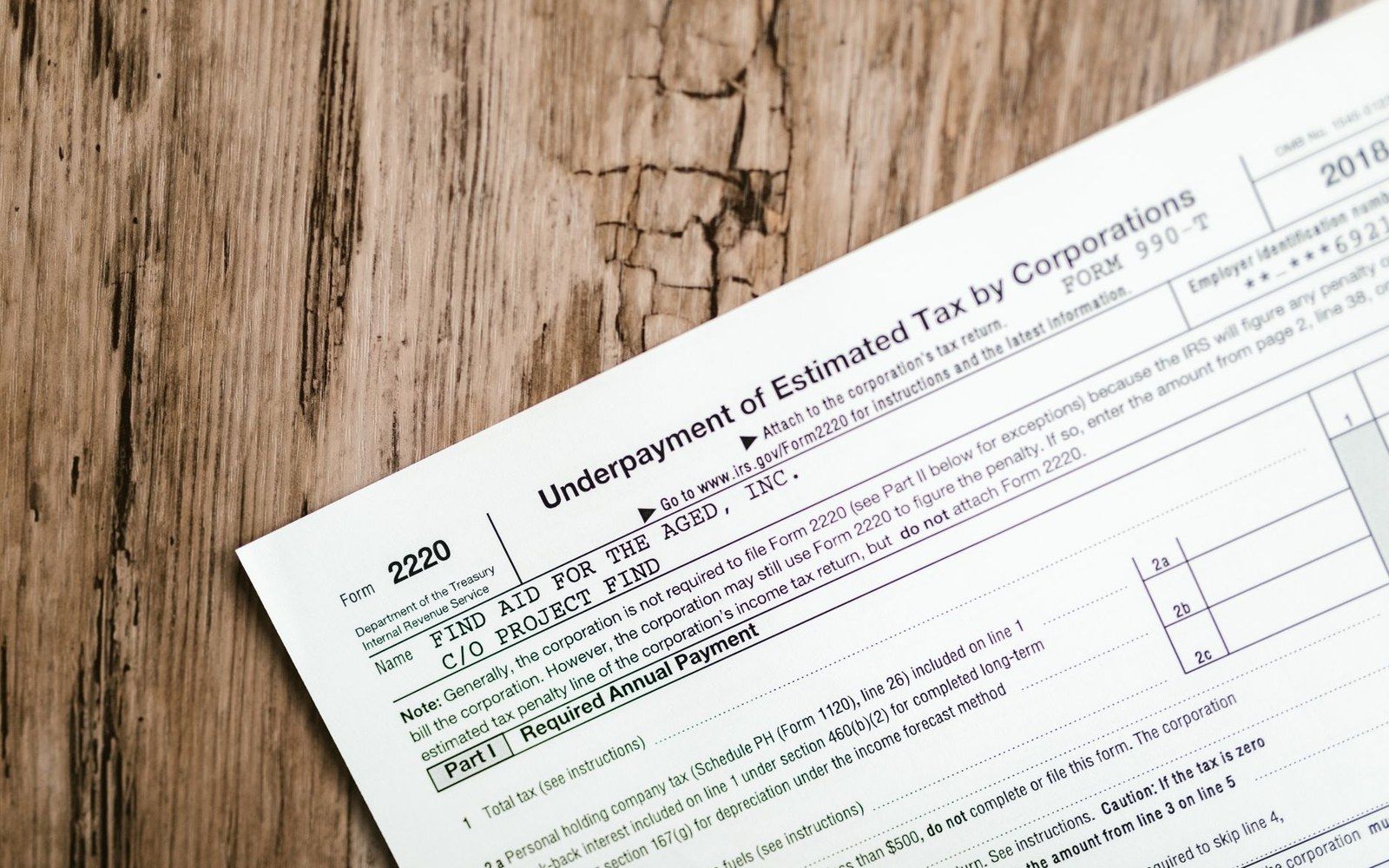
How the tax works and who collects it
The taxe de séjour is a per-night tourist tax levied on visitors staying in furnished tourist accommodation, hotels, campsites and similar establishments. Commune councils — or, where communes have pooled their competences, the intercommunalité — vote each year to apply it and set the rate within bands established by national law. The Direction Générale des Finances Publiques (DGFIP) publishes the rate structure and the upper ceilings; communes choose where within that structure to land.
Rates vary by accommodation category. For an unclassified meublé de tourisme — a furnished property let for short stays to tourists — the DGFIP's current framework sets a ceiling at a percentage of the nightly price per person rather than a fixed figure, which means the absolute amount collected rises with the rental rate. Classified properties (those holding an official star or the Gîtes de France épi grading) sit in their own band, generally more favourable than the unclassified ceiling. Spa towns and mountain resorts have historically been permitted slightly elevated ceilings.
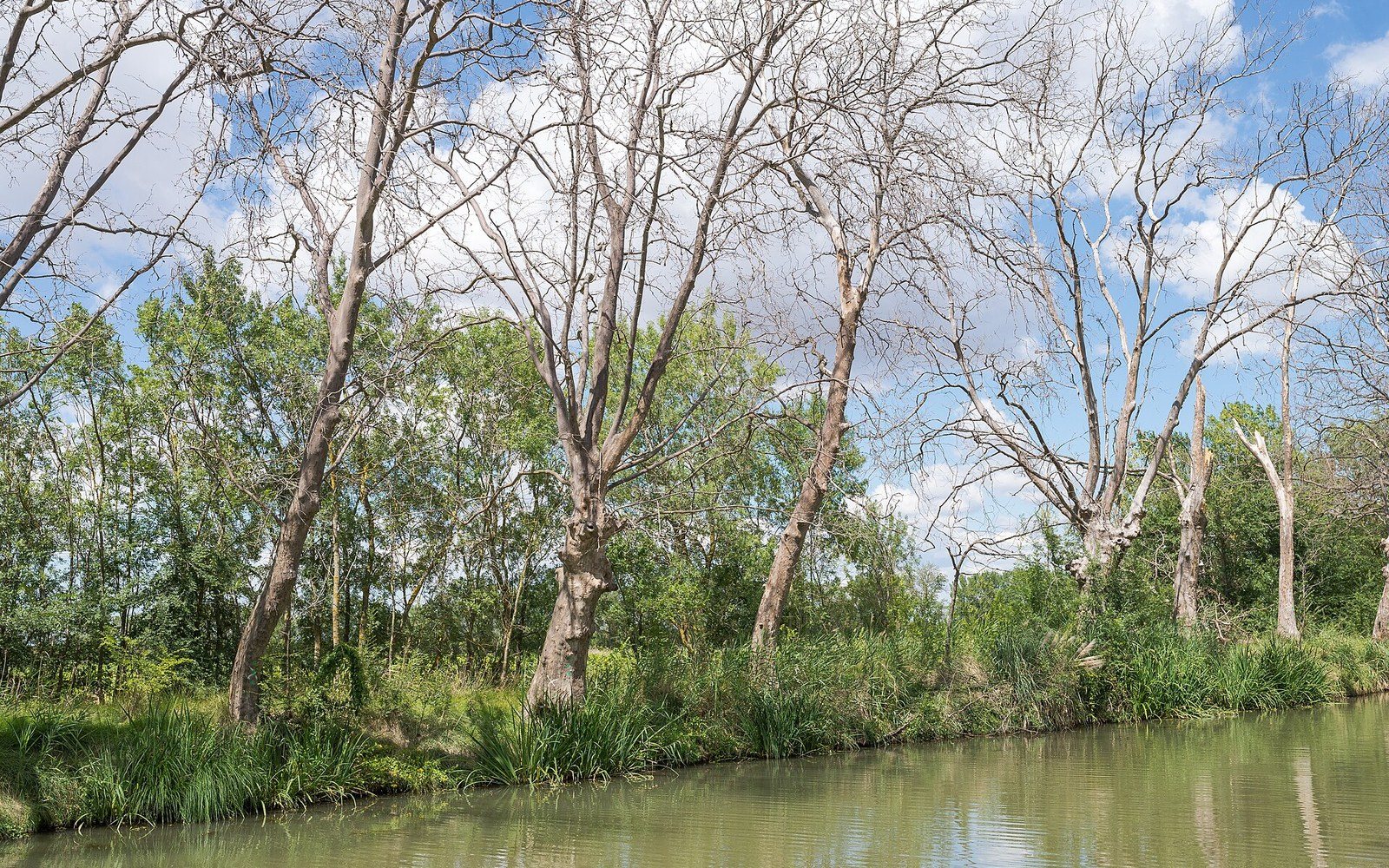
The planes were planted to shade the water and hold the banks together.
Photo: Sick Platanus ×hispanica trees, Canal du Midi, Agde · Wikimedia Commons
Until 2019 collection fell to the owner, who declared takings to the commune at the end of the season. The Finance Act of 2019 shifted that obligation to digital platforms: Airbnb, Booking.com and their equivalents are now required to calculate, collect and remit the tax at the point of booking on behalf of hosts who let through their systems. The change was significant not because the amounts are large but because it made evasion structurally difficult — the platform holds the transaction and cannot ignore its own legal exposure.
Owners who let directly, outside any platform, remain responsible for declaring and remitting the tax themselves to the commune's revenue office. The DGFIP maintains an online simulator allowing communes and taxpayers to check applicable rates by postcode, as rate decisions are not always widely publicised locally.

Saint-Malo intra-muros: dense housing inside the ramparts, and now a quota over it.
Photo: Efrem Efre / Pexels
The tax is not income for the national government; it stays with the collecting commune or intercommunal body and is legally ring-fenced for expenditure on tourism infrastructure and environmental protection of tourist sites. In practice, audit of that ring-fencing at commune level is light.
One consequence of platform-collected remittance that owners sometimes miss: the tax appears on the guest-facing booking total, making the nightly price look higher than the advertised base rate. That visibility can affect booking conversion — a modest practical argument for keeping the base rate competitive in popular communes such as Annecy, which has applied additional registration powers under more recent short-let legislation.