The Wheat-Sheaf Scale
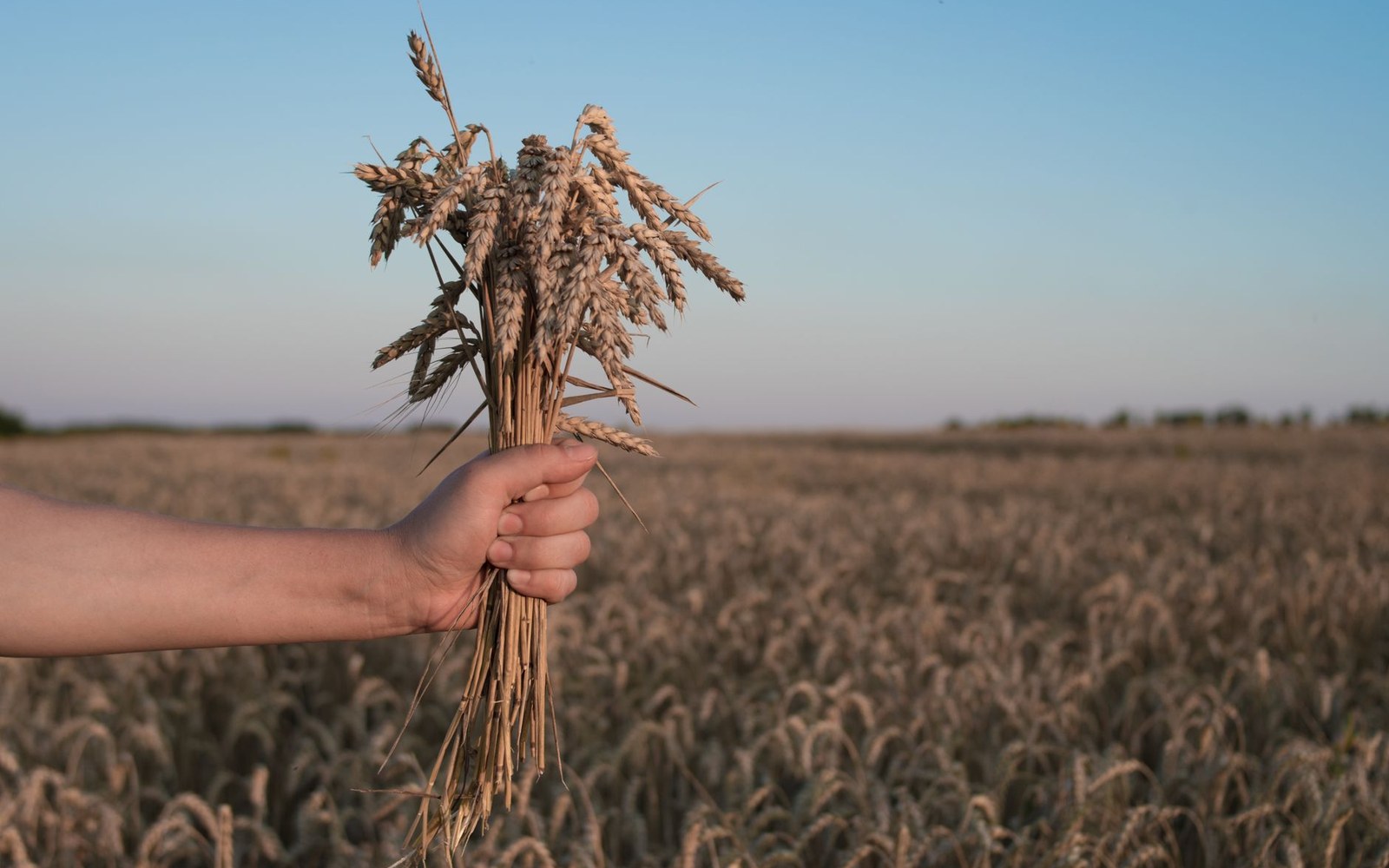
Gîtes de France, the national federation that formalised rural holiday letting after Émile Aubert launched the first state-backed programme in the Alpes-de-Haute-Provence in 1955, adopted the épi — a stylised wheat-sheaf — as its grading symbol. The choice was deliberate: the image signalled agricultural origin and rural character rather than urban luxury. Properties were graded from one to five épis, with criteria covering the size and number of rooms, the quality of kitchen and sanitary fittings, the condition of outdoor space, and the standard of furnishings. A one-épi property might offer basic but adequate comfort; a five-épi property was expected to meet standards comparable to a well-appointed private house — well-equipped kitchen, good bedding, proper bathroom fittings, and maintained surroundings.
The grading was administered by local Gîtes de France departmental associations, whose inspectors visited properties in person. Owners who affiliated with the federation agreed to those inspections as a condition of using the label and its marketing network. The épi therefore carried a degree of accountability that a self-described holiday cottage could not claim.


The letter decides. Where the notaires’ price series moved after 2020.
Photo: The Daphne Lens / Pexels · Photo: Walter Coppola / Pexels
After 2009
French tourism law revised the classification framework for meublés de tourisme — furnished short-let properties — in 2009, introducing a standardised national comfort classification running from one to five stars. Gîtes de France aligned its own grading with that framework, though it retained the épi as its public-facing symbol. In practice the two scales mapped closely: the épi count came to correspond to the official star band, but the wheat-sheaf remained on the Gîtes de France signage, brochures and property listings because it was what rural guests recognised.
The épi persists today as a brand mark rather than a parallel grading system, a remnant of the federation's origins in agricultural France that proved more durable than the administrative logic that once justified it.