The Numbers Behind the Move
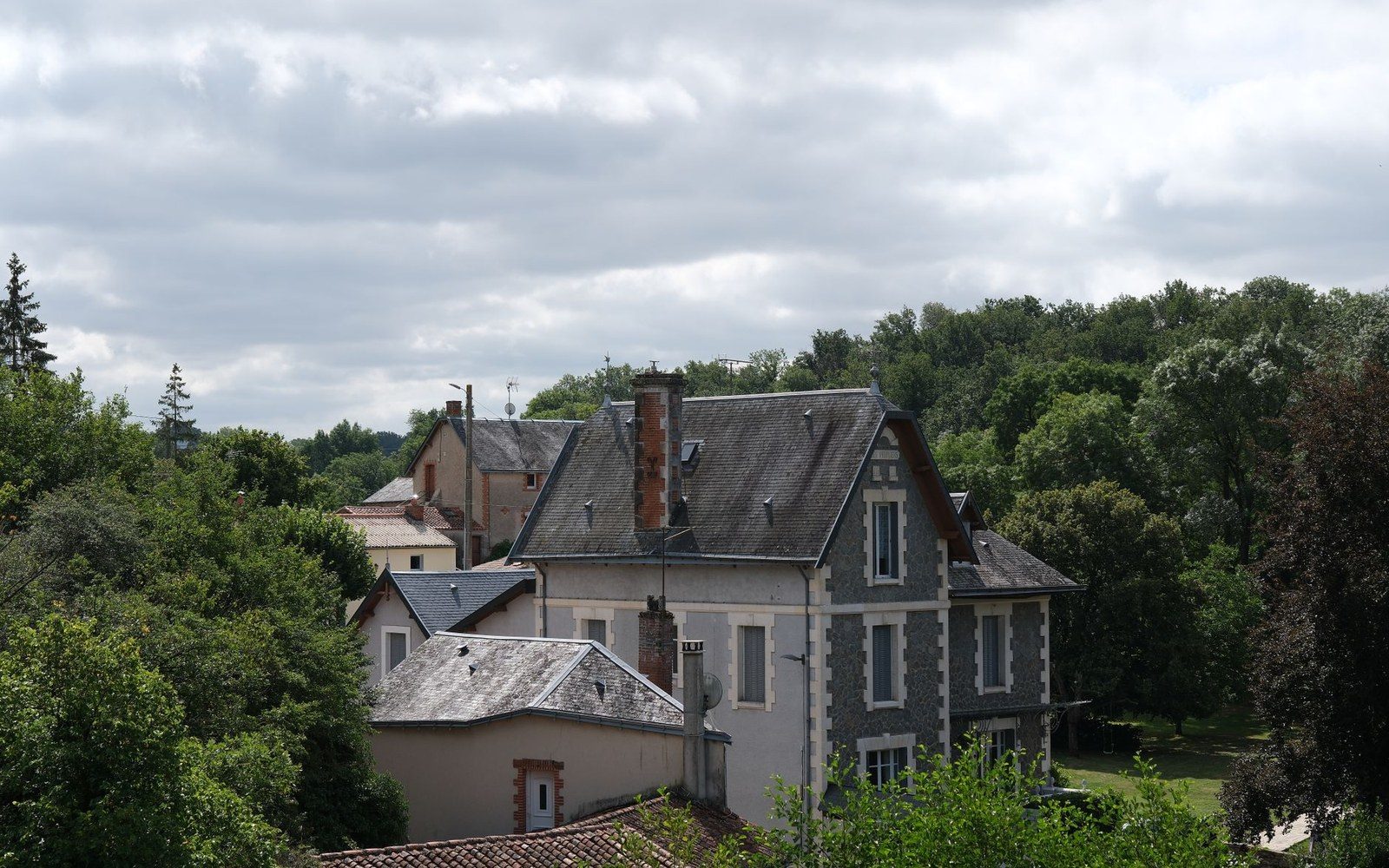
The movement was real and measurable. INSEE's second-home stock statistics, updated after the 2020 census cycle, recorded sharp increases in second-home registrations across the Massif Central periphery and the southwest. The Creuse, a department that had watched its permanent population fall almost continuously since the 1850s, saw transaction volumes rise significantly in 2020 and 2021 as urban households — French, British and Dutch alike — concluded that cheap, spacious rural property in a low-density landscape was no longer an eccentric choice.
The notaires' price series, published through the Conseil Supérieur du Notariat, put figures to the shift. Median house prices in the Creuse remained among the lowest in metropolitan France even after the surge — figures from 2022 placed the median well below €100,000 for older rural houses — but the rate of change was striking. Properties that had sat unsold for years moved quickly. In the Dordogne, which began the period at a considerably higher price level owing to its longer history of British buyer interest, the notaires recorded sustained upward pressure through 2021 and into 2022 before the market softened as interest rates rose across the eurozone in 2023.
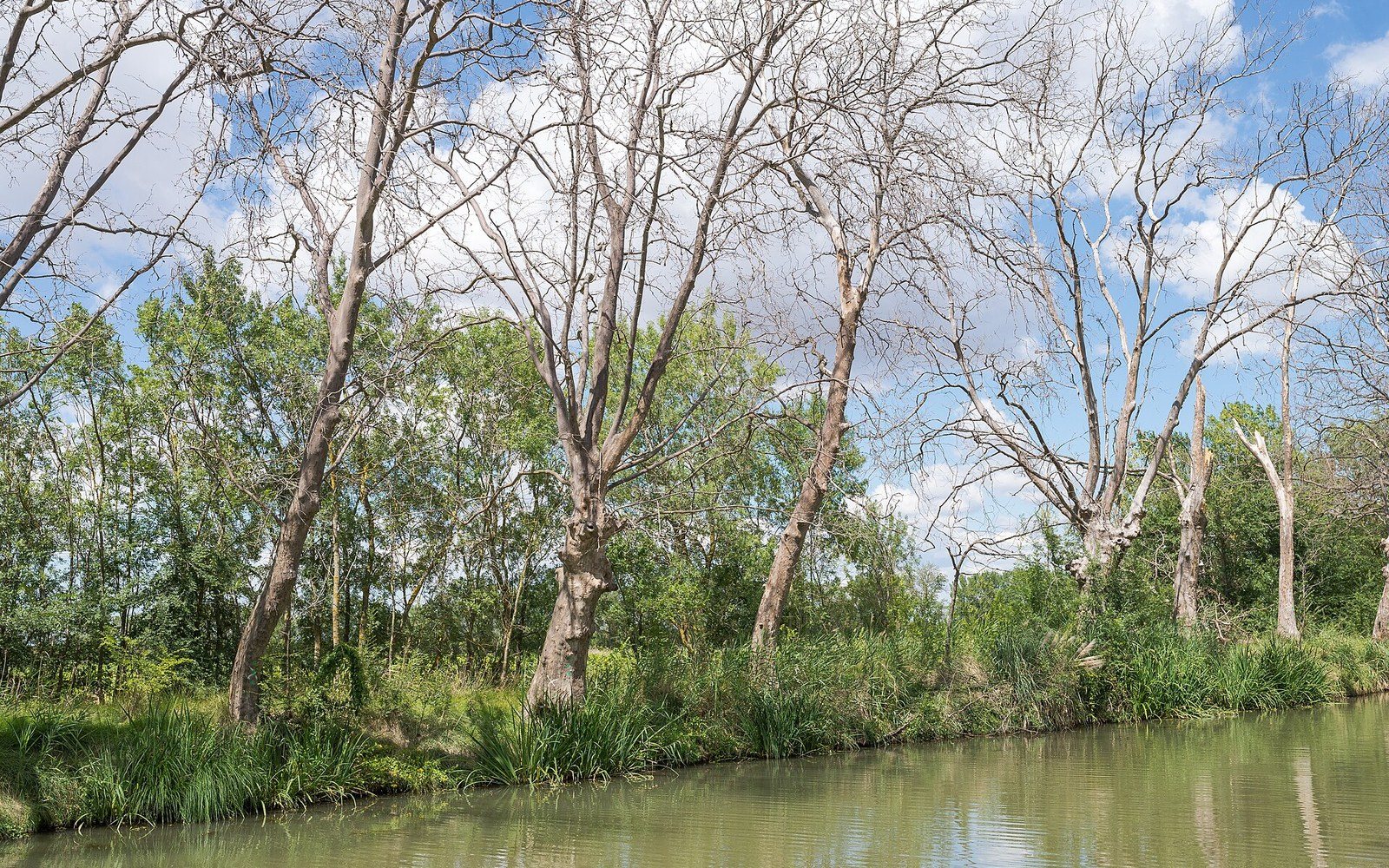
The planes were planted to shade the water and hold the banks together.
Photo: Sick Platanus ×hispanica trees, Canal du Midi, Agde · Wikimedia Commons
The Cantal told a similar story at the margins. A department of basalt plateaux, volcanic lakes and granite farm buildings, it attracted buyers drawn by landscape rather than infrastructure, with prices moving from a very low base. By 2023 the INSEE departmental data showed the Cantal's second-home share of total housing stock holding well above the national average, a pattern consistent with the surge having deposited a layer of non-resident ownership that was unlikely to reverse quickly.
What the Zones Offered
The zones de revitalisation rurale — designated rural areas qualifying for fiscal incentives intended to stem population decline — covered substantial parts of all three departments. For a buyer intending to let a property as a meublé de tourisme (a furnished short-stay tourist let), the ZRR designation was material: it intersected with the abattement rules that governed how rental income was taxed, giving owners in qualifying communes a more favourable starting position than those in saturated urban markets. The loi Le Meur of November 2024 subsequently compressed those allowances, but in the 2020–2022 window the ZRR framework was an active draw.
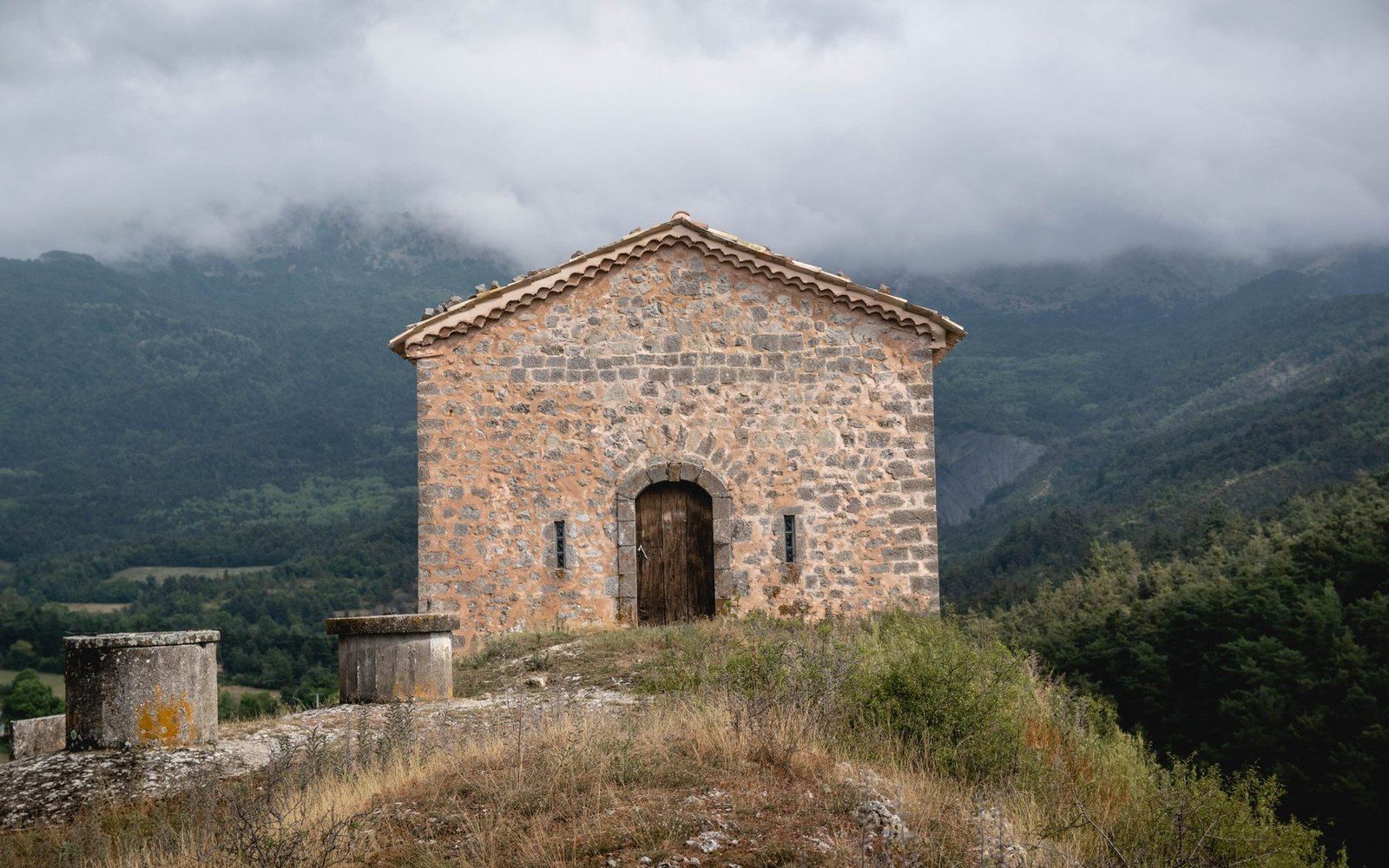
The first properties on the scheme were working farm buildings.
Photo: Olivier Darny / Pexels
British buyers had been present in the Dordogne since at least the 1980s, drawn by the Périgord's limestone landscapes, its density of listed buildings under the Monuments Historiques register, and a critical mass of English-speaking residents that reduced the friction of purchase. The post-2020 wave added a different profile: younger buyers, often working remotely, for whom the Creuse's near-absence of tourism infrastructure was not a deterrent but part of the point. Dutch buyers, who had a longer tradition of purchasing rural French property than is sometimes acknowledged, concentrated particularly in the southwest corridor from the Dordogne toward the Lot.
What the data does not show is straightforward conversion from purchase to letting. The Parcs naturels régionaux that overlap parts of these departments impose landscape and building controls that complicate renovation; the Architectes des Bâtiments de France hold jurisdiction over any structure near a classified monument, and the density of such monuments in the Périgord is exceptional. Energy performance was an immediate practical constraint: the DPE ratings assigned to thick-walled stone farmhouses under a calculation method that treats solid masonry as near-zero insulation produced F and G certificates on properties buyers had purchased partly for their authentic construction.
The surge slowed in 2023 as borrowing costs rose and the legislative environment shifted. What it left behind was a materially different second-home map in the interior — higher prices, more foreign ownership, and a stock of properties whose owners now face the same regulatory tightening as everywhere else in France, at the end of lanes the post office had already stopped serving.