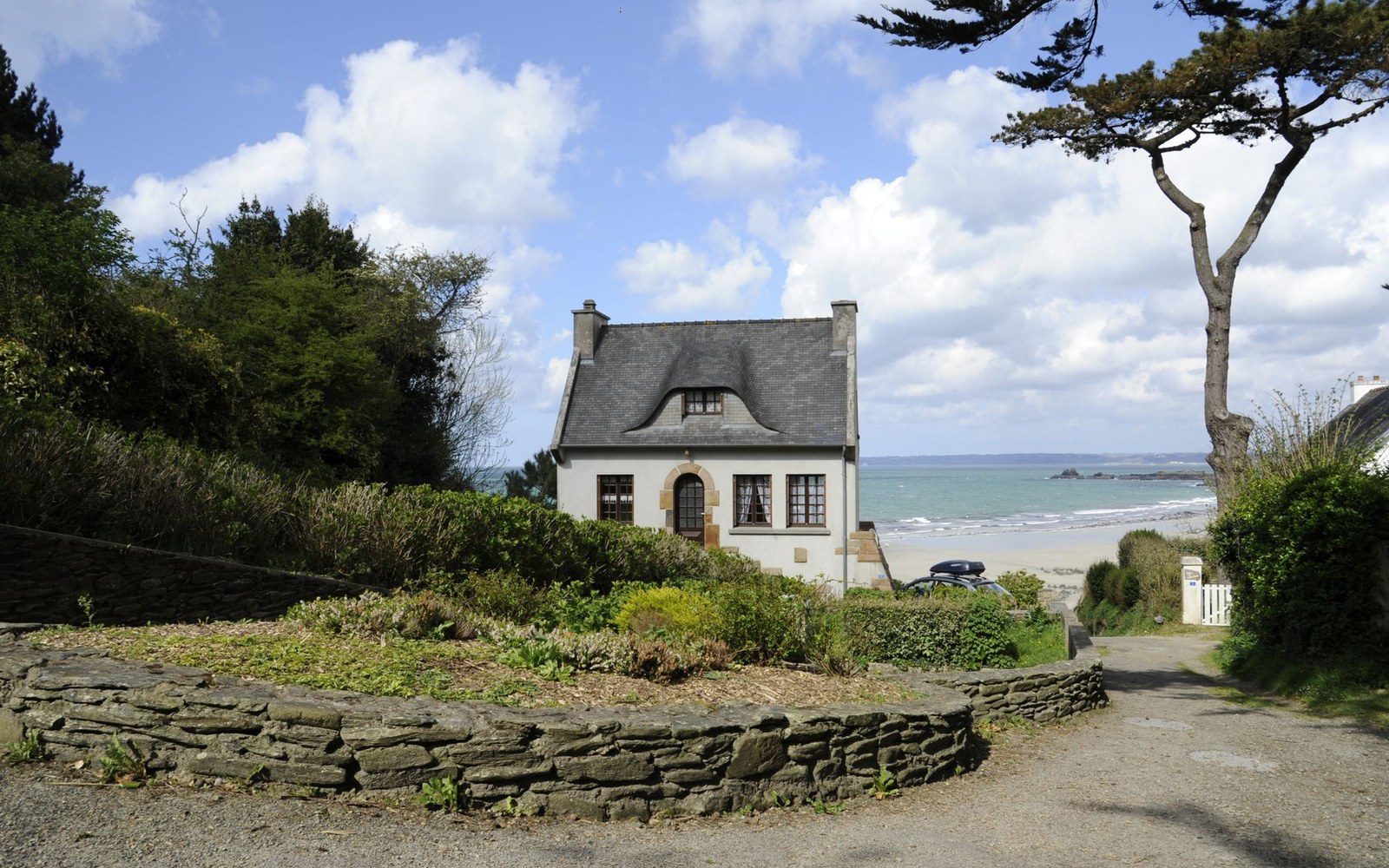
Four Rosters, Four Orders of Magnitude
Gîtes de France, founded by Émile Aubert in the Alpes-de-Haute-Provence in 1955, has around 40,000 affiliated rural properties at any given time — a figure the organisation itself publishes and which has remained broadly stable for years. Clévacances, its smaller rival, lists roughly 20,000 furnished holiday lets across France. Together, the two traditional labels account for perhaps 60,000 inspected, graded properties.
Airbnb reported more than 800,000 active listings in France in its 2022 annual impact report — a figure that has continued to grow since. Booking.com's French inventory runs to a comparable scale. The two platforms between them carry more meublés de tourisme (furnished tourist lets) than Gîtes de France has processed in its entire seventy-year history.
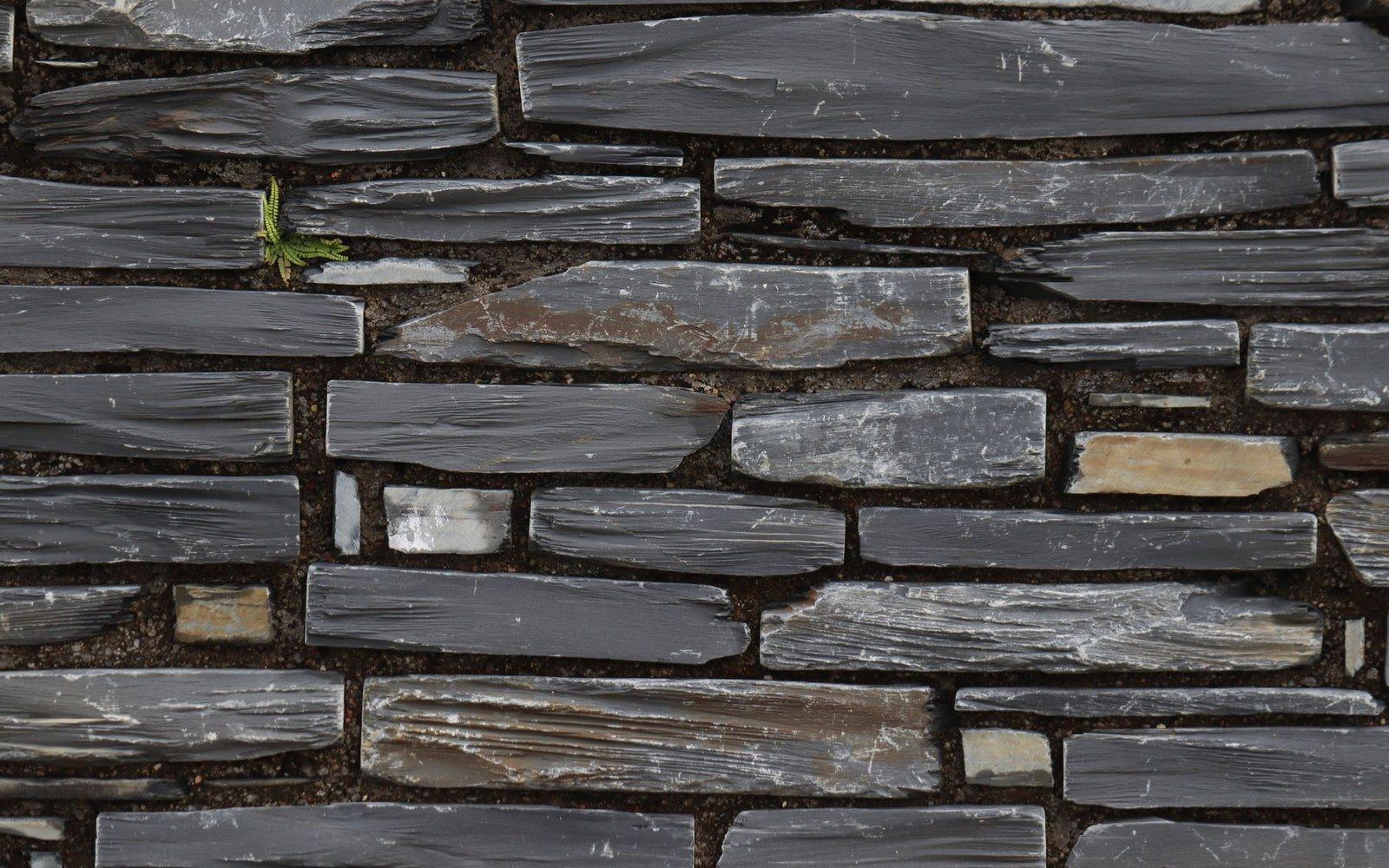
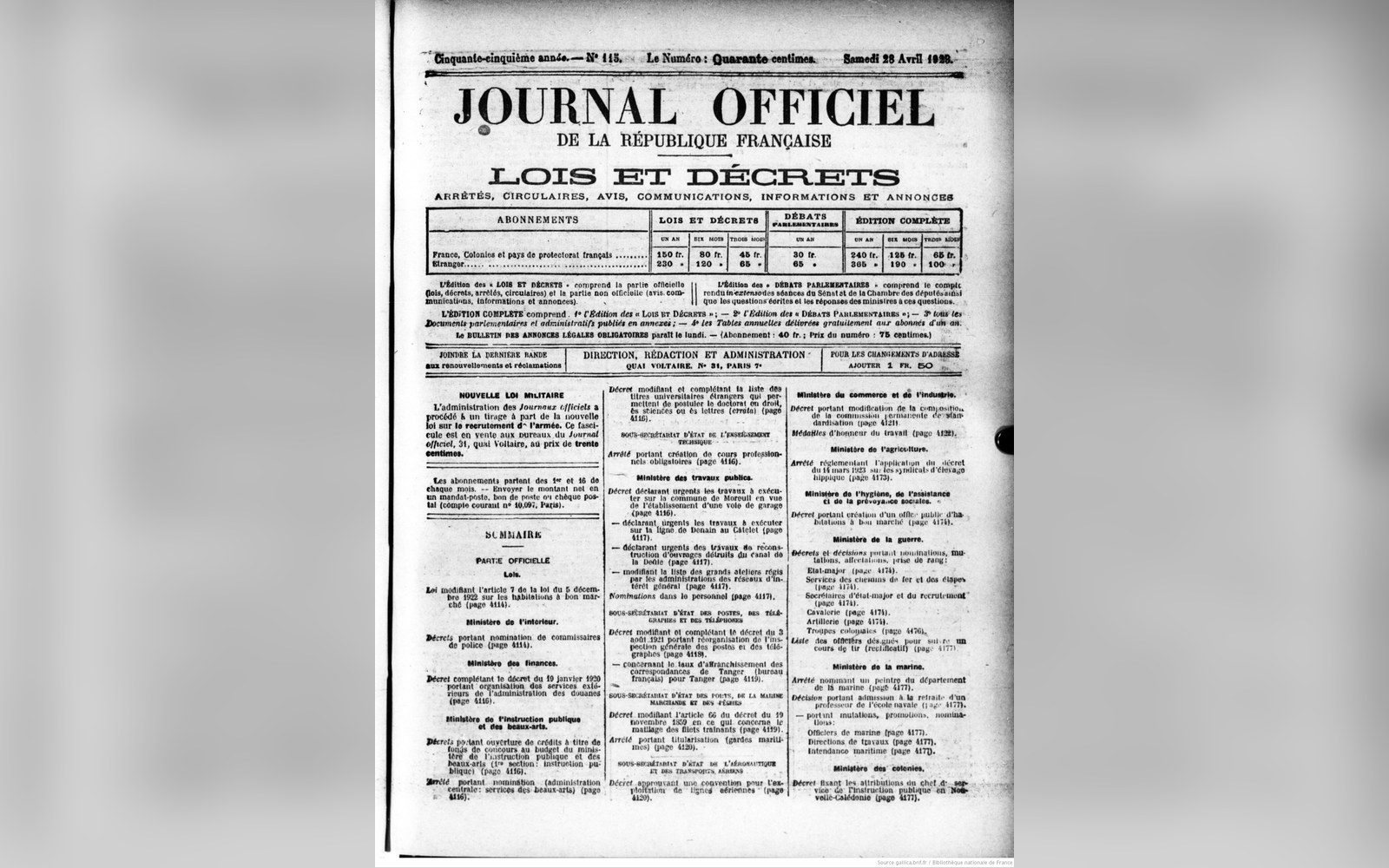
Diminishing courses on a Périgord lauze roof: the largest slabs at the eaves, the smallest at the ridge, each one held down by its own weight rather than a nail. A statute exists from the moment it appears in the Journal officiel; the abattement cut runs from there.
Photo: Boys in Bristol Photography / Pexels · Photo: Journal officiel de la République Française du 28 avril 1923 · Wikimedia Commons
The contrast is not merely one of volume. Gîtes de France properties are inspected against a set of quality criteria and awarded an épi — the organisation's wheat-sheaf grading symbol — on a one-to-five scale. Every listing in the network has passed a physical visit. An Airbnb or Booking.com listing requires no such inspection: the property is self-declared, the description owner-written, the photographs unchosen by any authority. Regulation, where it exists, arrives from the loi Le Meur and the municipal registration powers that the largest communes — Paris, Saint-Malo, Biarritz, Annecy — have already begun to exercise.
Logis occupies a different category entirely. It is a hotel and restaurant grouping, not a holiday-let label, and its roughly 1,600 independent establishments are assessed against separate hospitality criteria. It does not compete with Gîtes de France or Clévacances for the rural furnished-let market; it sits beside them.
What the figures show, when set side by side, is that INSEE's second-home and short-let statistics increasingly capture a market that traditional labels never reached and cannot regulate on their own.