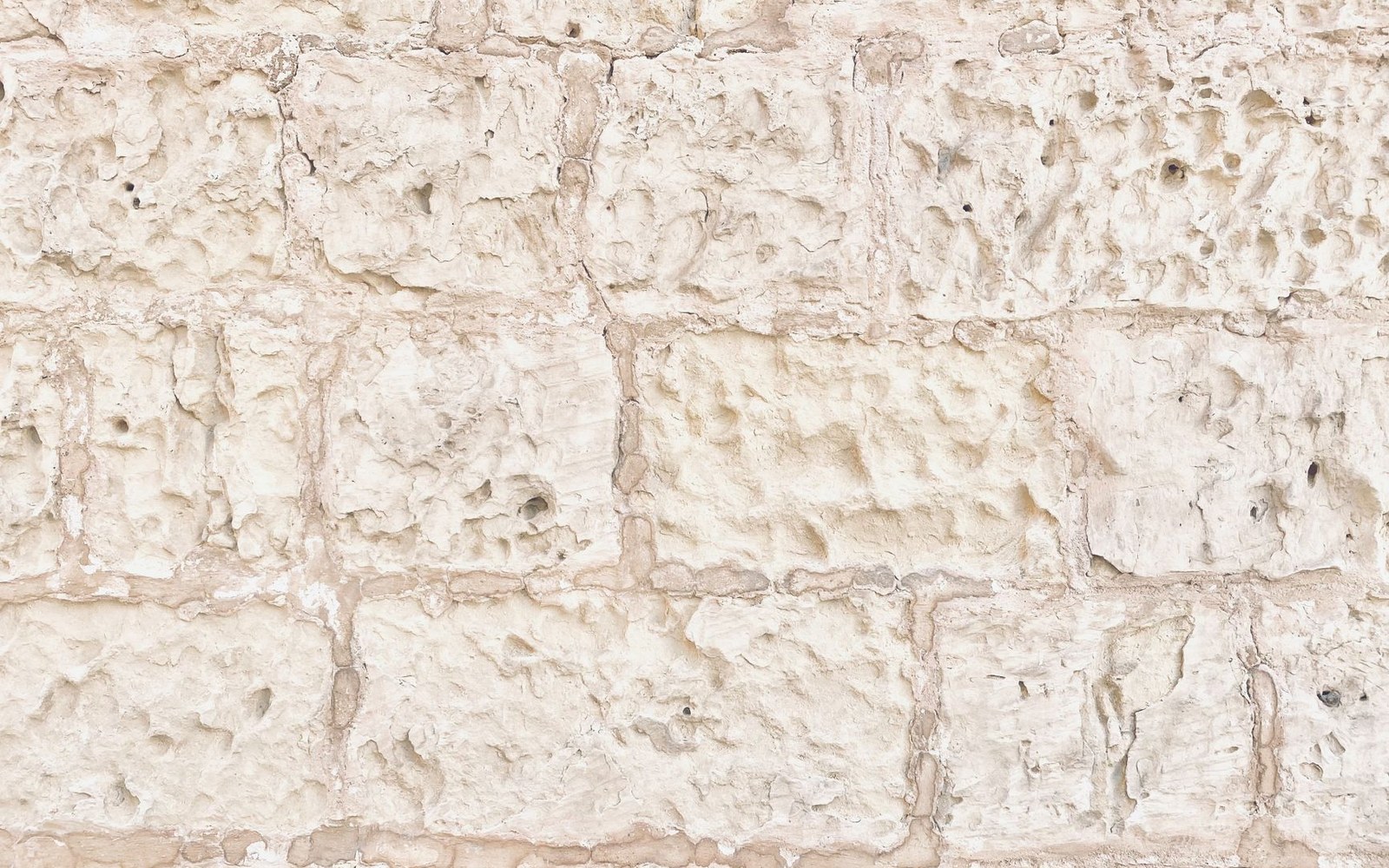
What the stone is, and why the Loire has so much of it
Tuffeau is a soft, cream-coloured calcareous stone laid down in the shallow Cretaceous sea that once covered the Paris Basin. The Loire valley sits on one of the thickest exposed seams, running through Anjou and Touraine from Saumur east toward Blois. The BRGM — Bureau de Recherches Géologiques et Minières, France's national geological survey — classifies it as a bioclastic chalk rich in shell fragments and bryozoan remains, its porosity typically between thirty and forty per cent.
That porosity is the key to everything. Freshly quarried, tuffeau holds enough residual moisture to stay soft. Masons could cut it with a handsaw or a simple iron pick; a skilled quarryman working one of the cave galleries beneath Saumur could extract a dressed block in minutes. Exposed to air, the stone dries and hardens progressively, eventually developing a weathered skin — the pale golden-white surface that gives Loire châteaux their luminous quality in afternoon light.
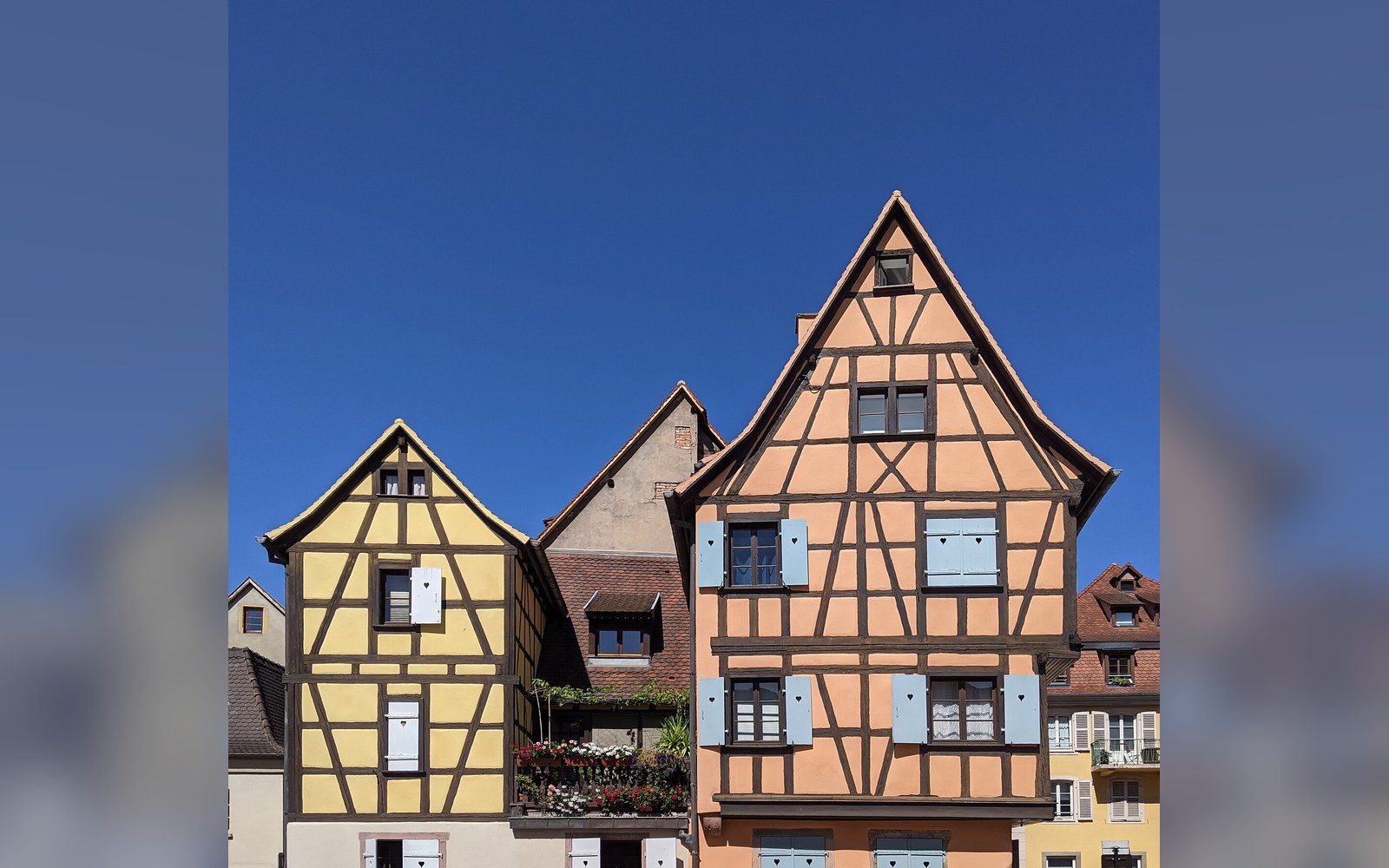
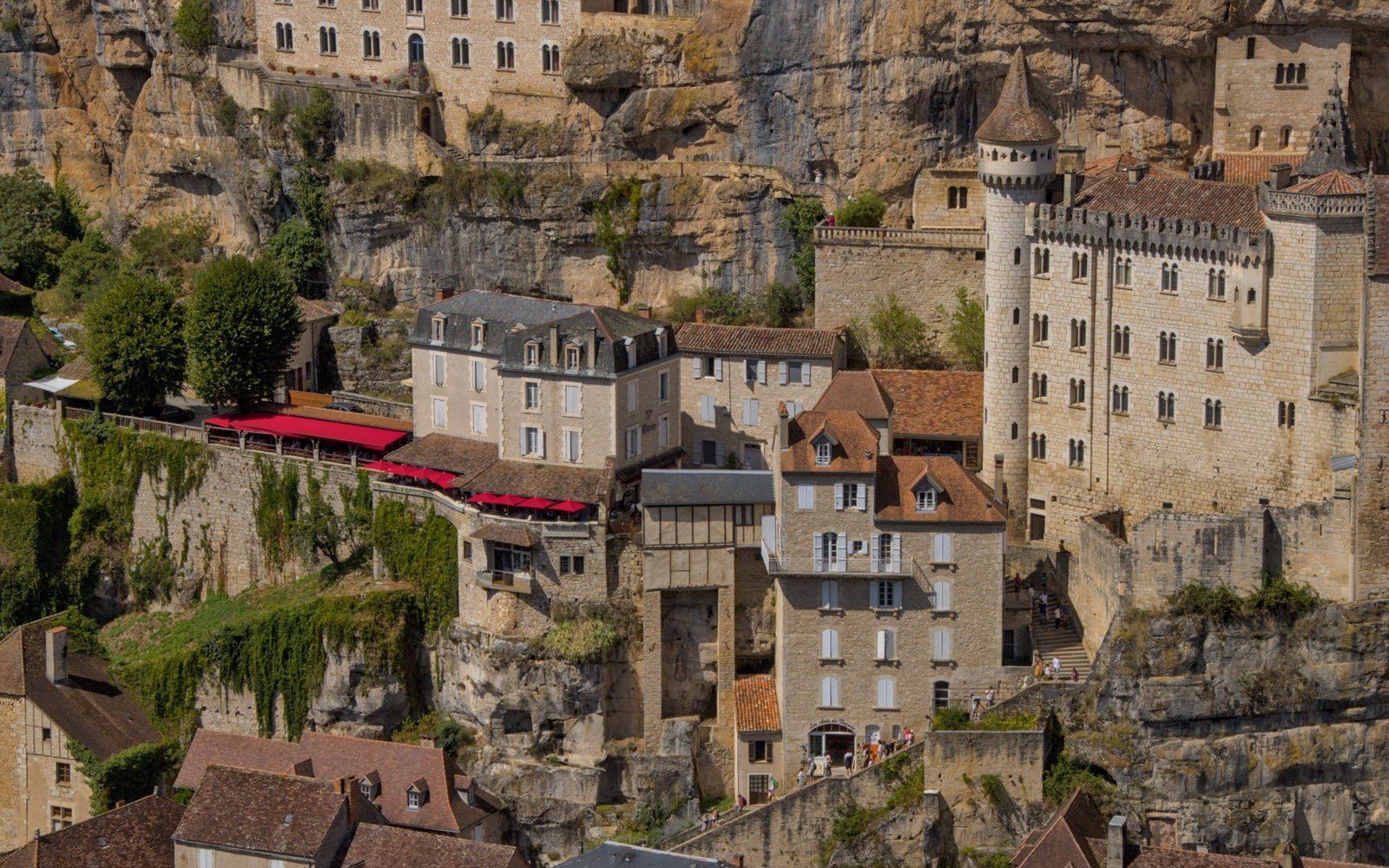
The bracing pattern is the plan of the house, read from the street. Within the 500-metre abords, most work visible from the road needs an ABF opinion.
Photo: Maisons à colombages (1) · Wikimedia Commons · Photo: Matthias Polen / Pexels
What it built, and who went underground to get it
The quarrying process left behind the troglodyte dwellings for which the Loire is famous. As galleries were extended into the tufa cliff faces along the Cher and the Vienne, whole communities occupied the voids. Some remain inhabited today; others have been classified under the Monuments Historiques register. The cliff villages around Vouvray, Amboise and the Layon valley are the direct consequence of centuries of stone extraction — the building material and the dwelling are, literally, the same hole.
Above ground, the same stone raised the great châteaux: Chambord, Chenonceau, Azay-le-Rideau, Langeais. The Loire Valley's UNESCO designation as a cultural landscape, awarded in 2000, recognised precisely this continuity — a working river territory shaped by the stone beneath it. The châteaux are not imports; they grew from the valley floor.
Why it matters for a rural letting property
A tuffeau farmhouse or cave dwelling carries specific maintenance obligations. The stone's porosity makes it vulnerable to frost when saturated, and cement render — applied in place of traditional lime — traps moisture rather than allowing the wall to breathe. Energy assessors working under the DPE (Diagnostic de Performance Énergétique — the French energy performance certificate) measure thermal resistance, and solid tuffeau walls, like other solid masonry, score poorly on that metric. What the stone gains in longevity and listed status, it can lose in energy rating. For owners letting property as a meublé de tourisme (a furnished short-stay tourist let), those ratings now carry regulatory consequences.