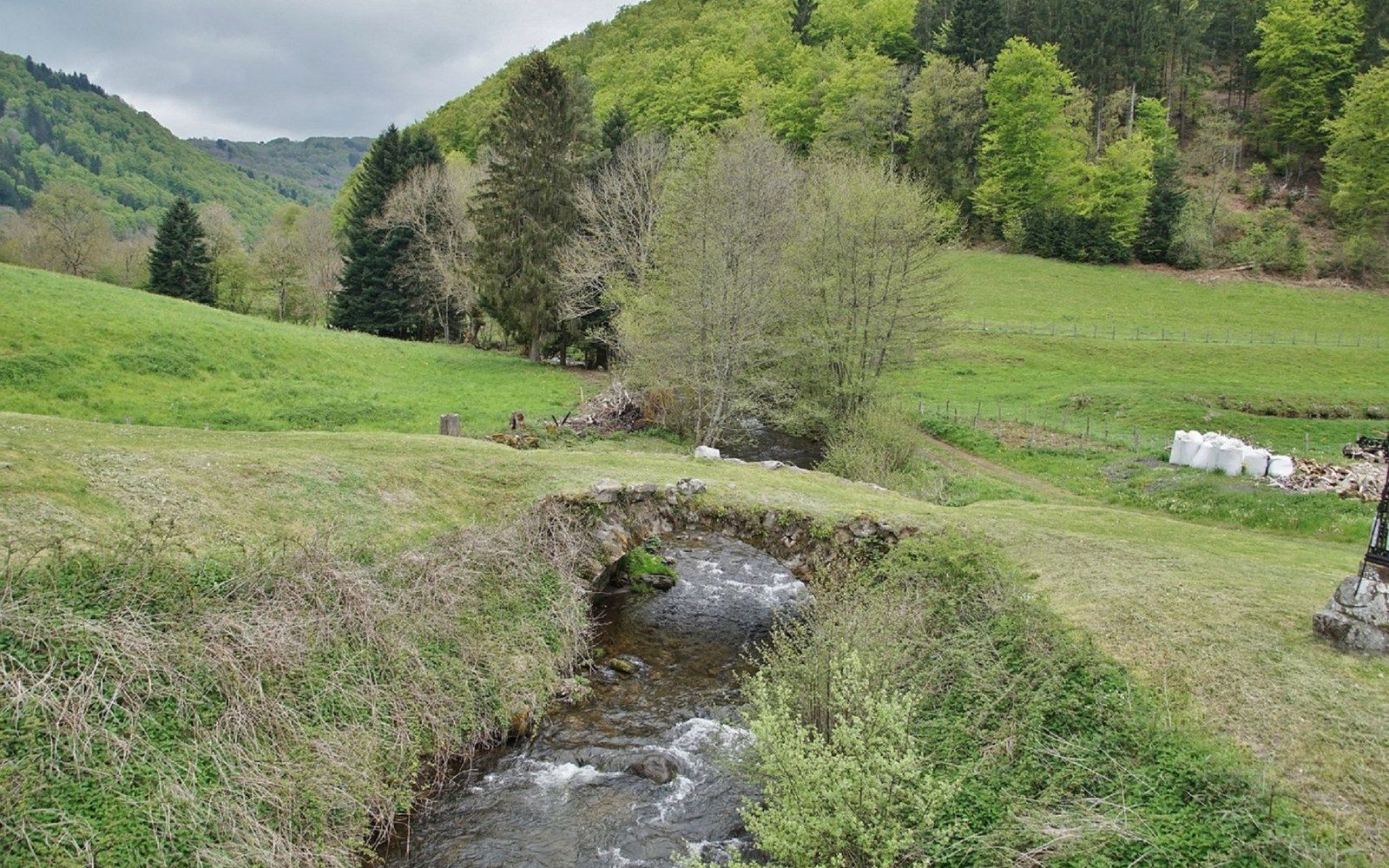
A charter, not a fence
The Parcs naturels régionaux (regional nature parks) were established by decree in 1967 to protect landscapes that were inhabited and working, not empty and pristine. The distinction matters. Where a national park zones its core as near-inviolable wilderness, a PNR builds its protection around a charter — a fifteen-year management contract negotiated between the park authority, its member communes and the regional council. Farming continues. Forestry continues. New buildings can be permitted. The designation is a governance instrument, not a boundary wall.
France's network now counts 58 regional nature parks, according to the Fédération des Parcs naturels régionaux. They cover roughly 17 percent of the national territory and contain some four and a half million residents. The Cévennes, the Causses du Quercy, the Camargue, the Marais Poitevin — the landscapes vary from limestone plateau to Atlantic wetland, but the operating logic is the same: keep people on the land, manage it actively, and slow the twin pressures of abandonment and overdevelopment.
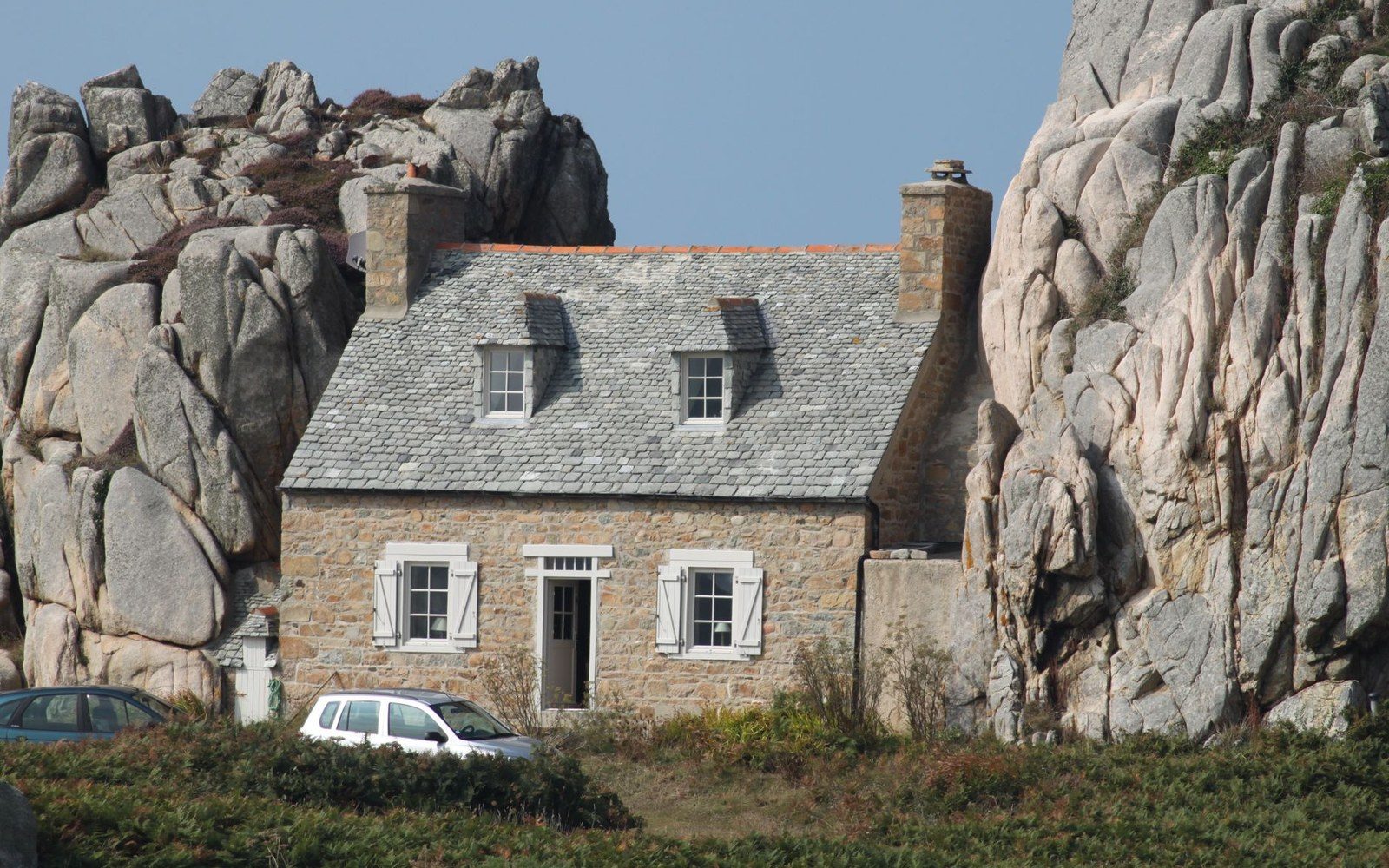
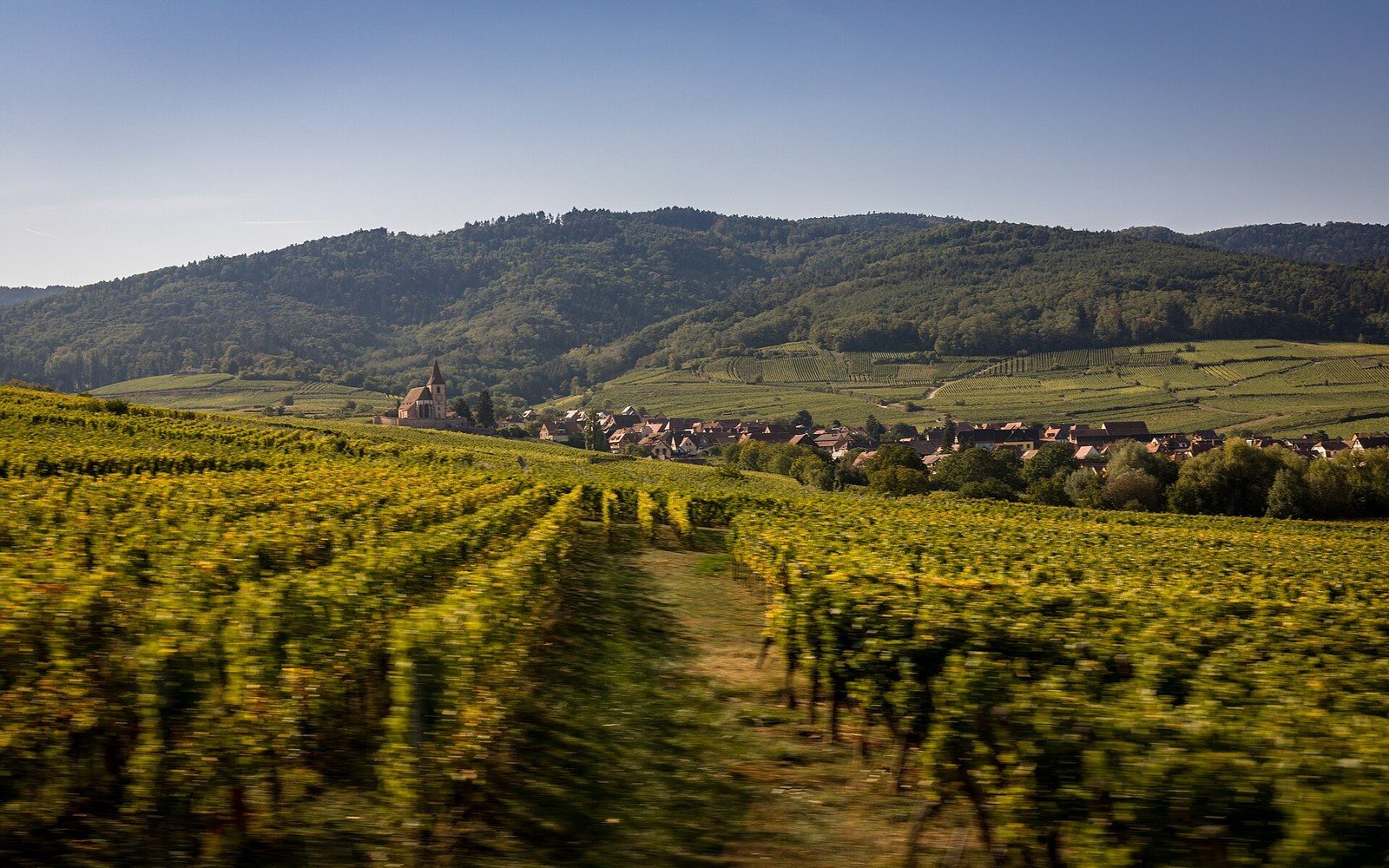
The blind north gable: a longère was lengthened along its ridge, never outward. A monocultural strip 170 kilometres long, held in place by a designation.
Photo: lemapuche breton / Pexels · Photo: Route des vins, Alsace · Wikimedia Commons
What the charter actually changes
Inside a PNR, the charter sets objectives for landscape quality, biodiversity, local economic activity and architectural coherence. It does not override national planning law, but it adds a layer of local policy that planners and the Architectes des Bâtiments de France must take into account when applications are assessed. Renovation work on a property in a parc is typically subject to closer scrutiny of materials and roof form than the same work outside one. That can affect a gîte owner directly: a replacement roof in a material foreign to the local vernacular — fibre-cement where lauze or tuile canal is traditional — may be refused or conditioned.
The charter also shapes what grants and support are available. Agri-environmental schemes, heritage renovation funds and rural tourism programmes administered through the park authority are open to properties that align with charter objectives. A meublé de tourisme — a furnished property let for short stays — can qualify for such support where its renovation respects the park's material and landscape standards.
What the designation does not do: it does not ban short-term letting, it does not impose rent controls, and it does not automatically trigger additional planning burdens beyond the DPE energy rules that apply nationally. A PNR label on a cadastral map signals a managed landscape with active governance — not a prohibition on use.